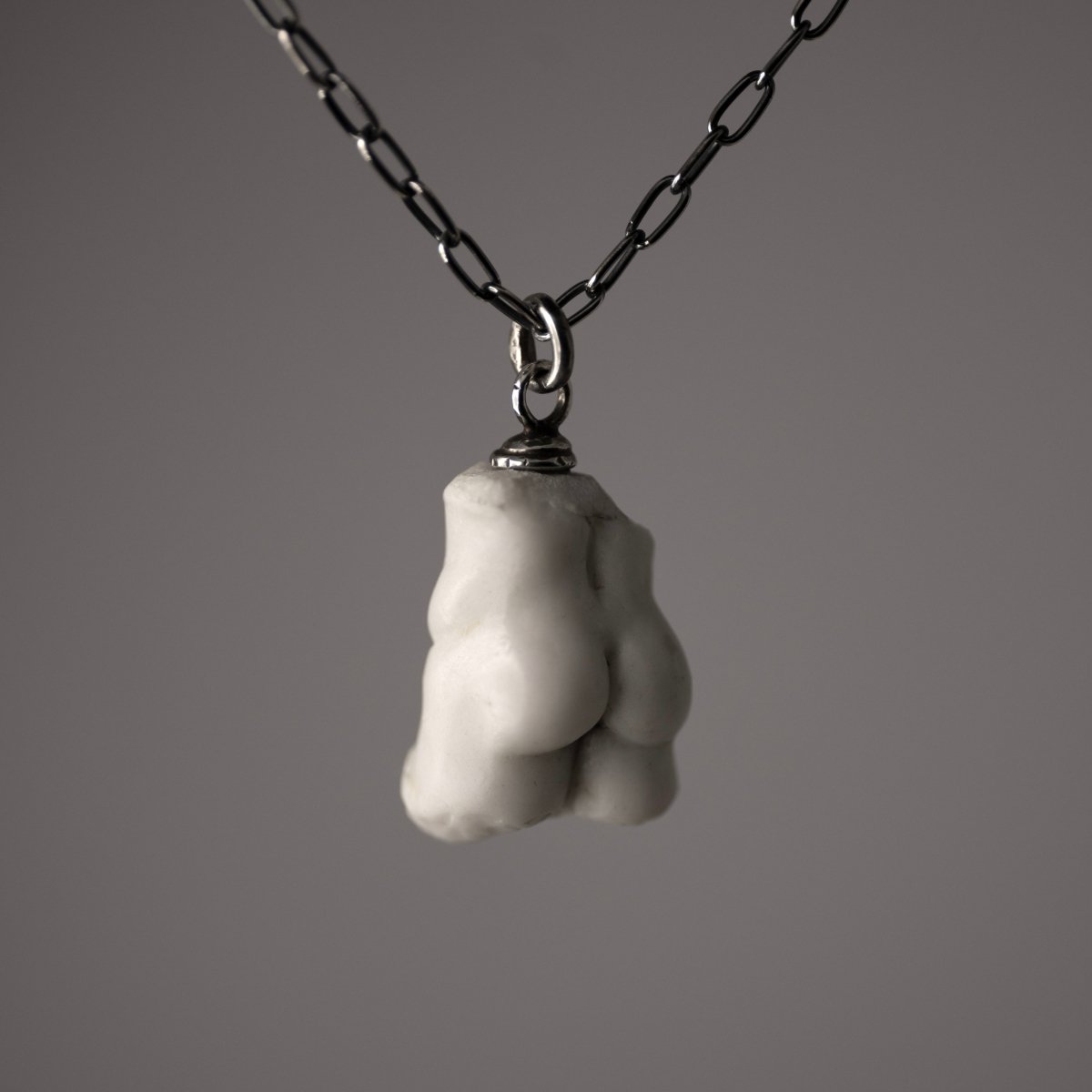
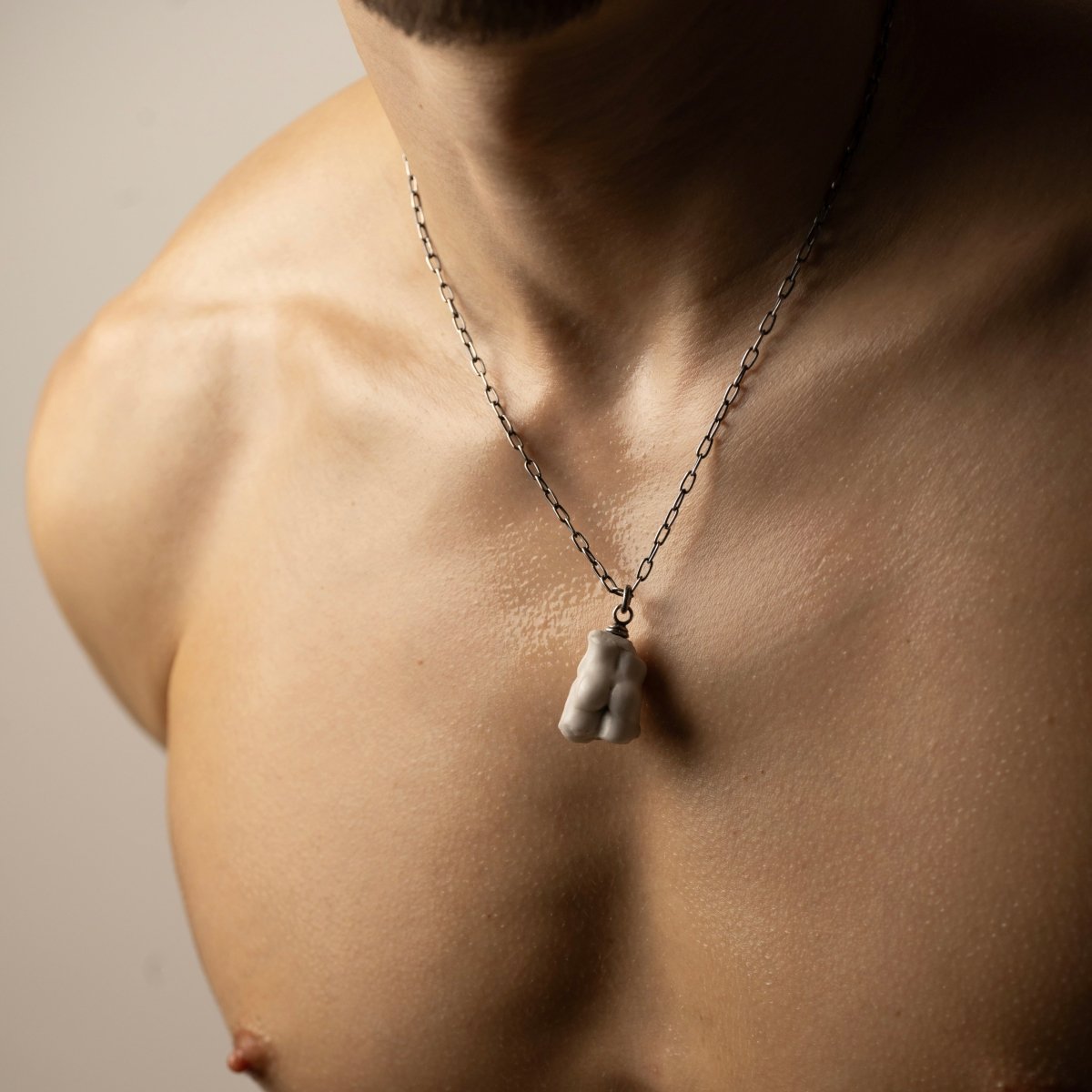
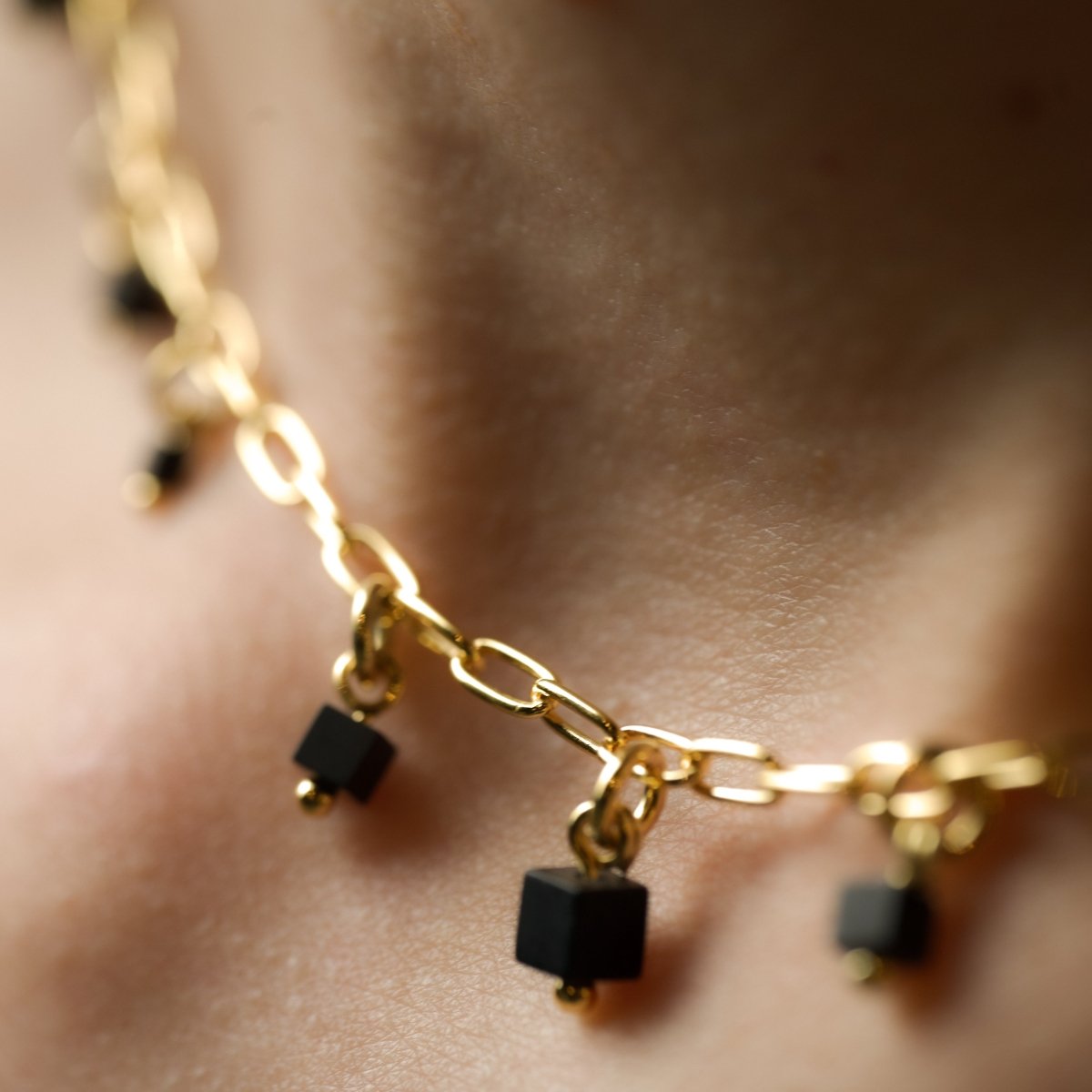
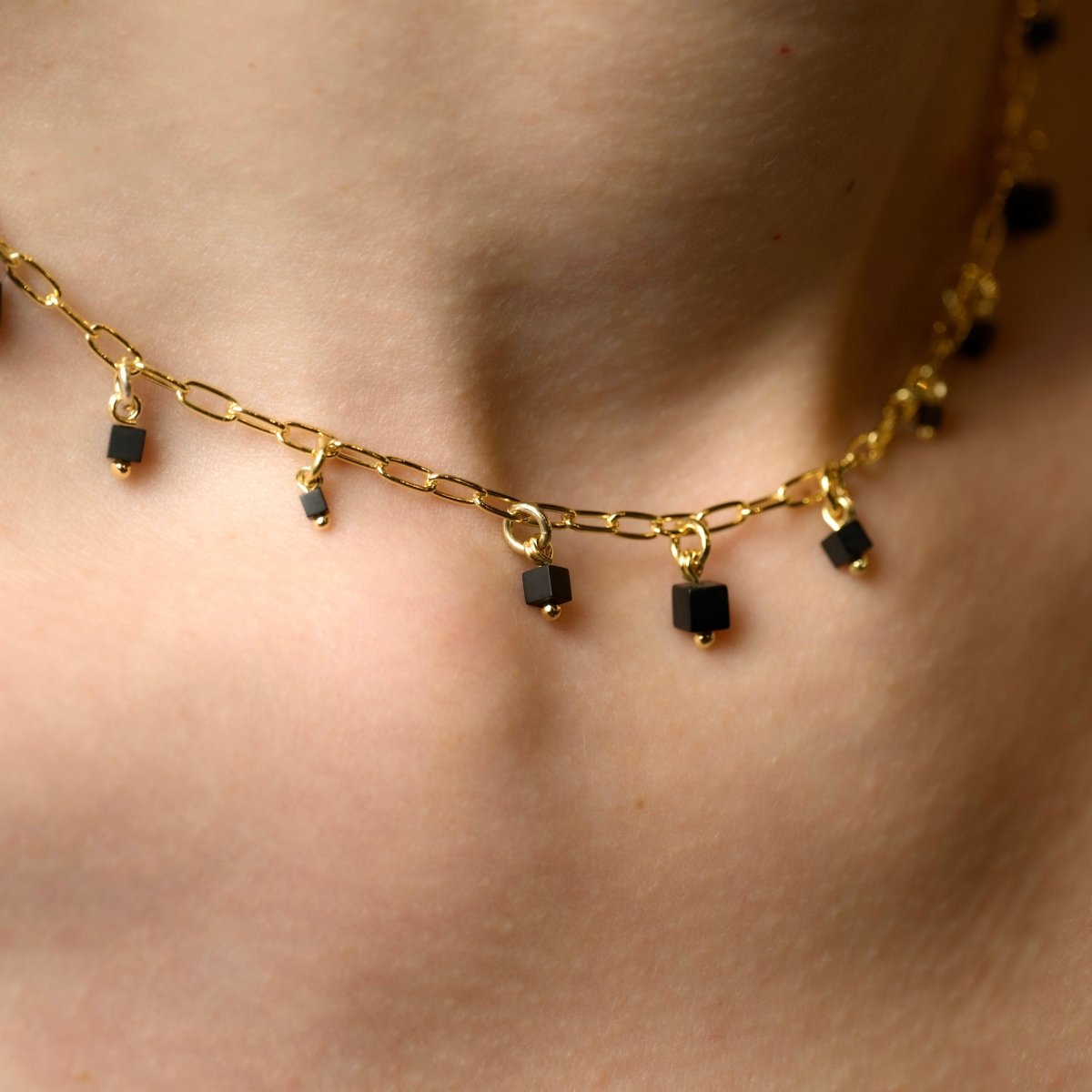
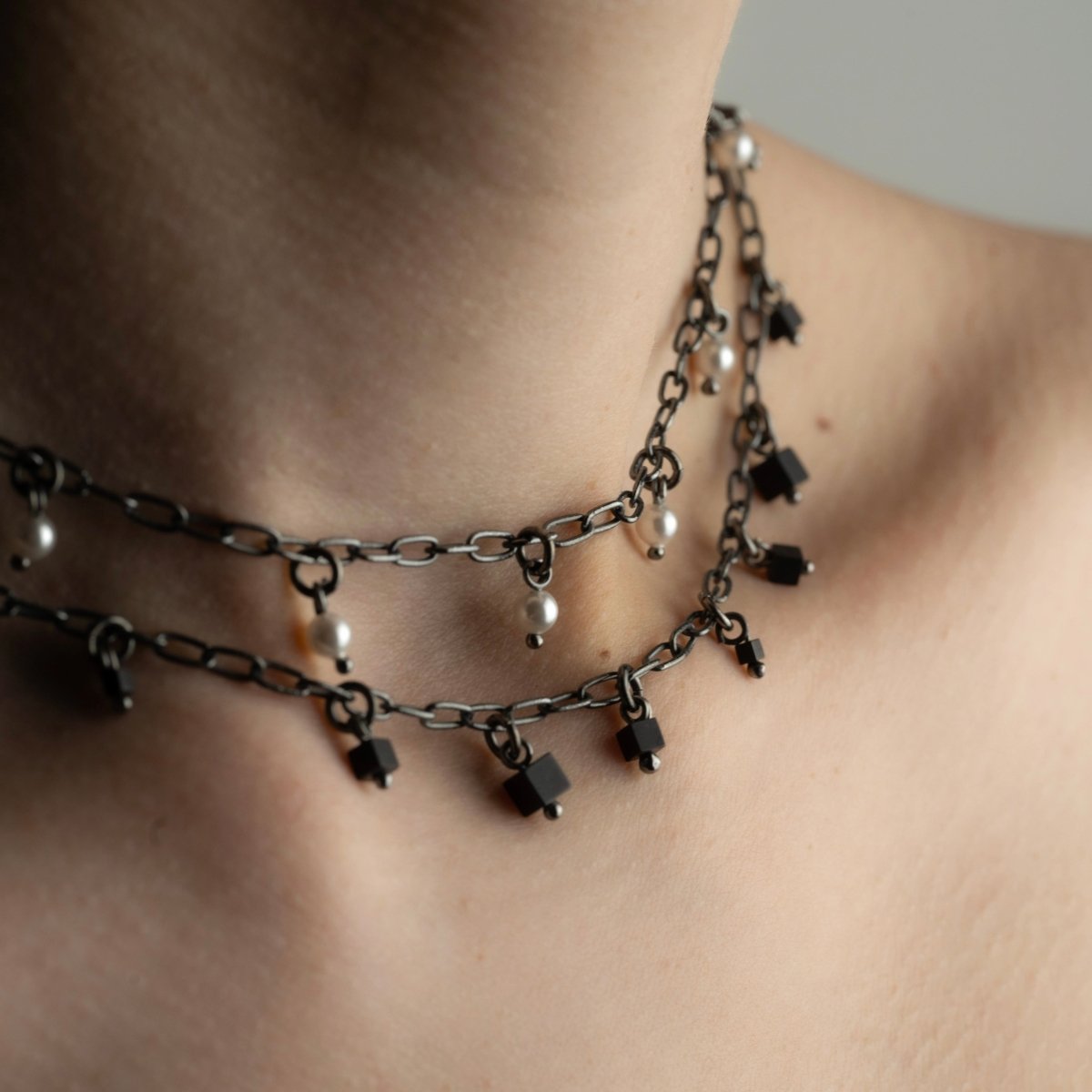
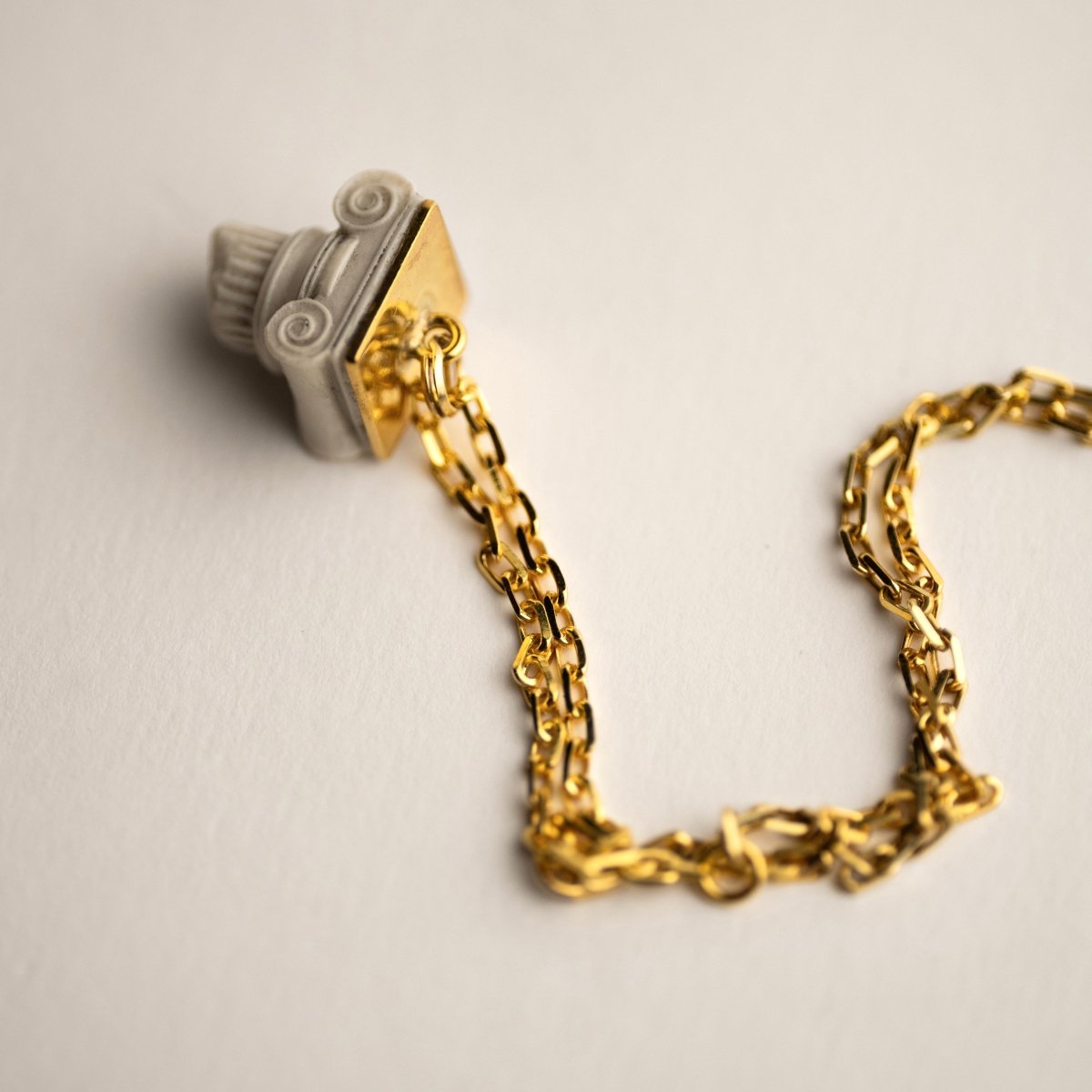
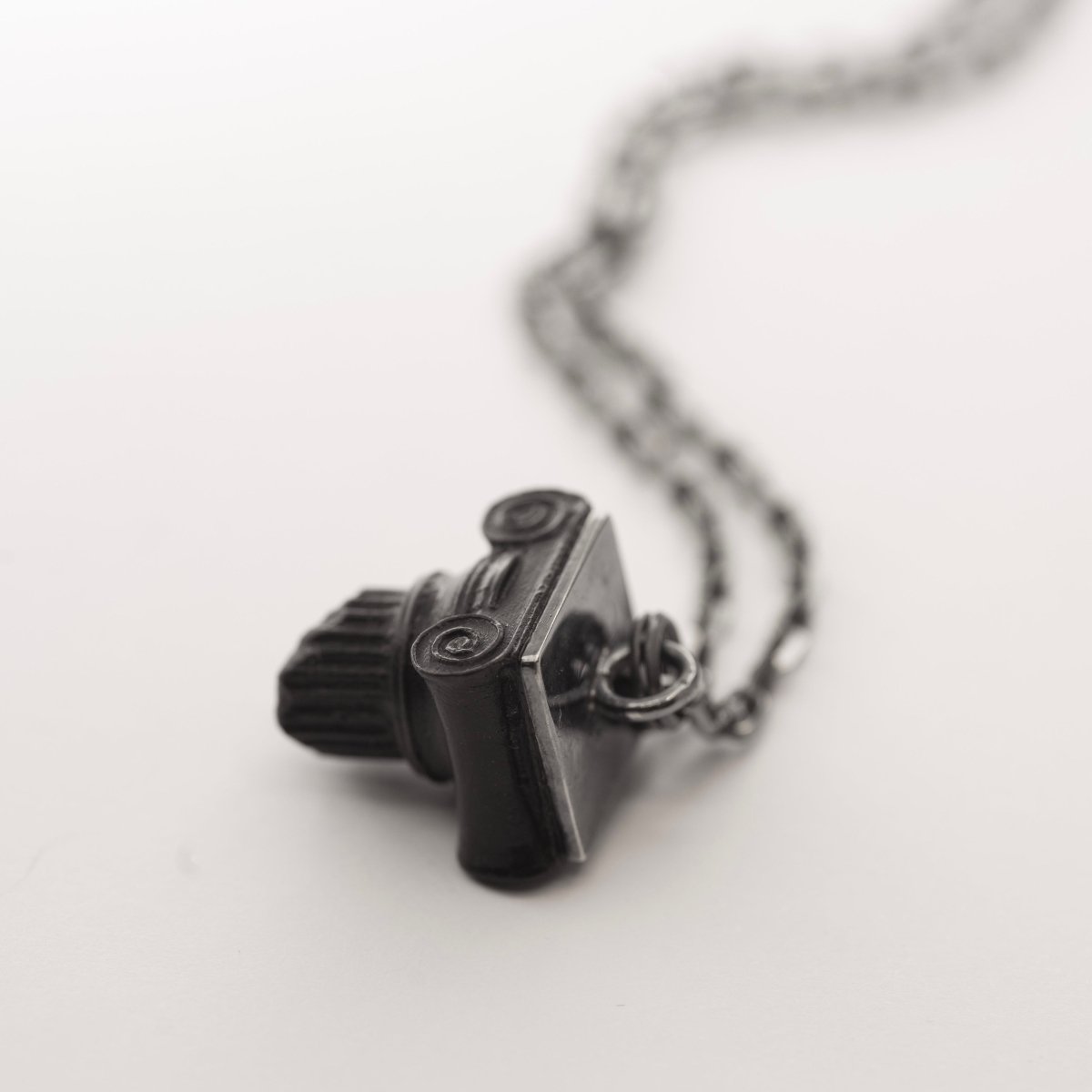
"Gods and Monsters" is a THEA campaign celebrating the phenomenon of Ancient Greek pottery—massively influential in its own time, yet mostly overlooked today.
Amphorae, oil lamps, countless plates and goblets. Despite the fact that these objects are usually witnessed only by blurry crowds of people rushing past them in museums, we invite you to slow down, take a closer look, and discover familiar Greek myths as they appeared long before marble.
Myths Before Marble
Over the centuries, different characters appeared and disappeared on Ancient Greek vessels, but the most prominent were gods and monsters. Thrilling, intimidating, and powerful, often framed by rich ornament, these mythological figures in black and red became some of the earliest examples of graphic design—minimalist, balanced, and anatomically precise.
One of the most common objects in the ancient world — a simple piece of pottery — suddenly became something far more interesting. The same domestic object could frame a horrifying creature or an epic battle, putting these scenes effectively on your shelf.
This is the very feeling we wanted to capture in our Gods and Monsters campaign: the contrast between the almost domestic atmosphere of a small photo studio trying to contain an ancient deity and an overgrown, dramatic, unsettling figure that seems to grow bigger the longer you look at it. The magical realism — or perhaps realistic mysticism — of the editorial is rooted in that contrast.
Characters

Siren
The first character to appear, representing the "monsters," is the hypnotizing Siren. Not the familiar little half-fish, half-princess creature, but a fierce and bloodthirsty harpy—a giant bird with a human head.
Coincidentally, sirens were among the first mythological creatures to invade Ancient Greek pottery, appearing from the beginning of the 7th century BCE. Their beautiful songs lured sailors onto rocky shores, where their ships would crash, leaving the unfortunate victims to drown and be devoured.
Our Siren reflects these qualities: mesmerizingly beautiful, covered in looted jewelry, both glorious and deadly. Like a true creature from the ancient past, an extinct wonder from a prehistoric world.
A gigantic black bird, covered in glossy feathers resembling broken pieces of black pottery. Her pale feet, armed with sharp claws, are bejewelled with rings and bracelets. Her face is covered with a mask — a tightly knitted pearl net that resembles a gleaming human skull, reminding us of the Siren's true nature while shielding her from unwanted gazes. A simple canonical hairstyle is decorated with a silver and pearl coronet.

Black-figure terracotta kylix, attributed to Tleson Painter, Attic Greece; and Terracotta lid with Siren, East Greece, both 550–515 BCE, The Metropolitan Museum of Art.
Funerary statues of Sirens, Pentelic marble, Kerameikos cemetery, Athens, 330–370 BCE, Archaeological Museum of Athens.
Hermes
Our second character in the "Gods and Monsters" campaign is Hermes — trickster god, protector of thieves and travellers, merchants and orators. Clever and witty, he always appears and disappears as he pleases, bringing fortune or delivering Zeus' will. But despite his cheerful appearance there is always something sinister about him.
His earliest representations carry this duality: born from the ancient herm stone — a boundary stone crowned with his head and marked by an unmistakably phallic body, Hermes was at once a sensual, explicitly phallic figure and a guide to the underworld — a god standing remarkably comfortably between desire, commerce, travel, and death.

In Archaic Greek pottery, around the 6th century BCE, Hermes looks completely different from the modern objectified perception of him. His hair is long and braided, he has an archaic pointed beard, and his expression is often serious and stern.
That is Hermes Chthonios — the aspect of Hermes associated with the underworld. He guides the souls of the newly deceased to Charon, who carries them across the Styx.
Later, Hermes became more complex, taking on different functions and appearing much younger. Beardless and youthful, he is often depicted wearing a winged helmet and sandals.

We chose to depict him like this: youthful and swift, flying through the skies but making a detour to the underworld. We wanted to play with the contrast between his beautiful, youthful athletic appearance — often associated with very mortal pleasures — and the much darker side of this elusive deity.
Just as in the previous look, we wanted to leave something to the imagination rather than take responsibility for portraying an ancient supernatural being too literally. Hermes' face is covered with a tightly fitted pearl mask, knitted in hypnotizing circles.
Talaria sandals, a winged helmet, and Hermes' signature caduceus give the impression of motifs from a classical Greek amphora coming to life.
Athena

Goddess and protector of Athens, daughter of Zeus, Athena was born fully grown and armed with helmet and spear, directly from Zeus' head. Her mythology is so strong and deep that it is practically impossible to reduce it to a few sentences.
Worshipped across the Mediterranean, she was, alongside the Siren, one of the earliest deities to appear on Ancient Greek pottery in the mid-7th century BCE. While her attributes remained the same from the very first examples, the details and style evolved with the passing centuries.
She was often depicted on Panathenaic amphorae — large vessels filled with olive oil and awarded to the winners of athletic competitions at the Panathenaic Games.
There is not one character — god or monster — in Greek mythology that can be easily understood. The personality, behaviour and motives of these deities are as complex as those of the humans who worshipped them. And Athena is no exception. Fair and just to some, she is terrifying and deadly to others.

We wanted to mix the grandeur of classical Greek mythology with the Mycenaean motifs from which many of these myths originated. The result is a familiar but more wild, almost ritualistic character. Her peplos is black, as is her three-crested helmet. Her hair is braided in the style seen in the frescoes of Thera, her face hidden behind a divine glow of pearl mask.
Impressive and unreachable, large enough to fill any space with her dramatic presence. Athena in this editorial is real and divine at the same time, like a force of nature.
Minotaur

The final character to appear in our Gods and Monsters editorial is the Minotaur — the Bull of Minos. The beast is so famous that, even thousands of years later, his story is still well known. Not least because of ancient pottery, which has successfully kept him alive since the 6th century BCE.
Born to be a beast, vicious and terrifying, it is unclear what narrative Asterion — the birth name of the Minotaur — had, if he had any at all. Son of Queen Pasiphaë, his nature was dual from the beginning: both man and animal, monster and child, hunter and prey, beast and prince.
It is not our goal to explain him or give him a voice. We are first and foremost visual artists, and our job is to be amazed by the Minotaur's mighty appearance. To imagine ourselves in an enclosed space with such a bizarre creature, to witness him both as a Beast and as a Prince. To feel his presence even three thousand years after his myth was born.
Our Asterion is a fully grown, muscular man in his prime, still wearing his princely, bejewelled clothes, torn and dirty from wandering around the labyrinth all his life. His bull's head is proud and handsome, with sturdy horns tangled in countless strings of pearls, like in a spider's web. Hidden from the sun in the dark, gloomy space, he is pale and gleaming, almost glowing. He looks both breathtaking and terrifying.
We deliberately made him sensual as much as dangerous — a half-wild creature that follows his instincts and does not deny himself sensual pleasures, rather than a mad beast driven by rage.
We ended up with an image of the Minotaur nodding in both directions — towards the two dimensional depiction of him on traditional pottery and Minoan frescoes, and the later lifelike classical sculpture with its physical presence, underlining perhaps his duality one more time.
Afterword
With this many-month-long project finally coming to an end, we want to say thank you to our small team of dedicated artists for creating such a spectacular visual story inspired by what may seem like the least exciting of subjects — ancient pottery.
We also want to underline that we by no means meant to pretend that we have a more open-minded or more imaginative point of view on mythology than the Ancient Greeks themselves. To be able to create such a vision, we simply search for rare and lesser-known sources of inspiration within these well-known characters. To present them one more time through unfamiliar narratives and hidden backstories.
A little darker, perhaps, but nevertheless — and above all — extremely beautiful.
The Collection
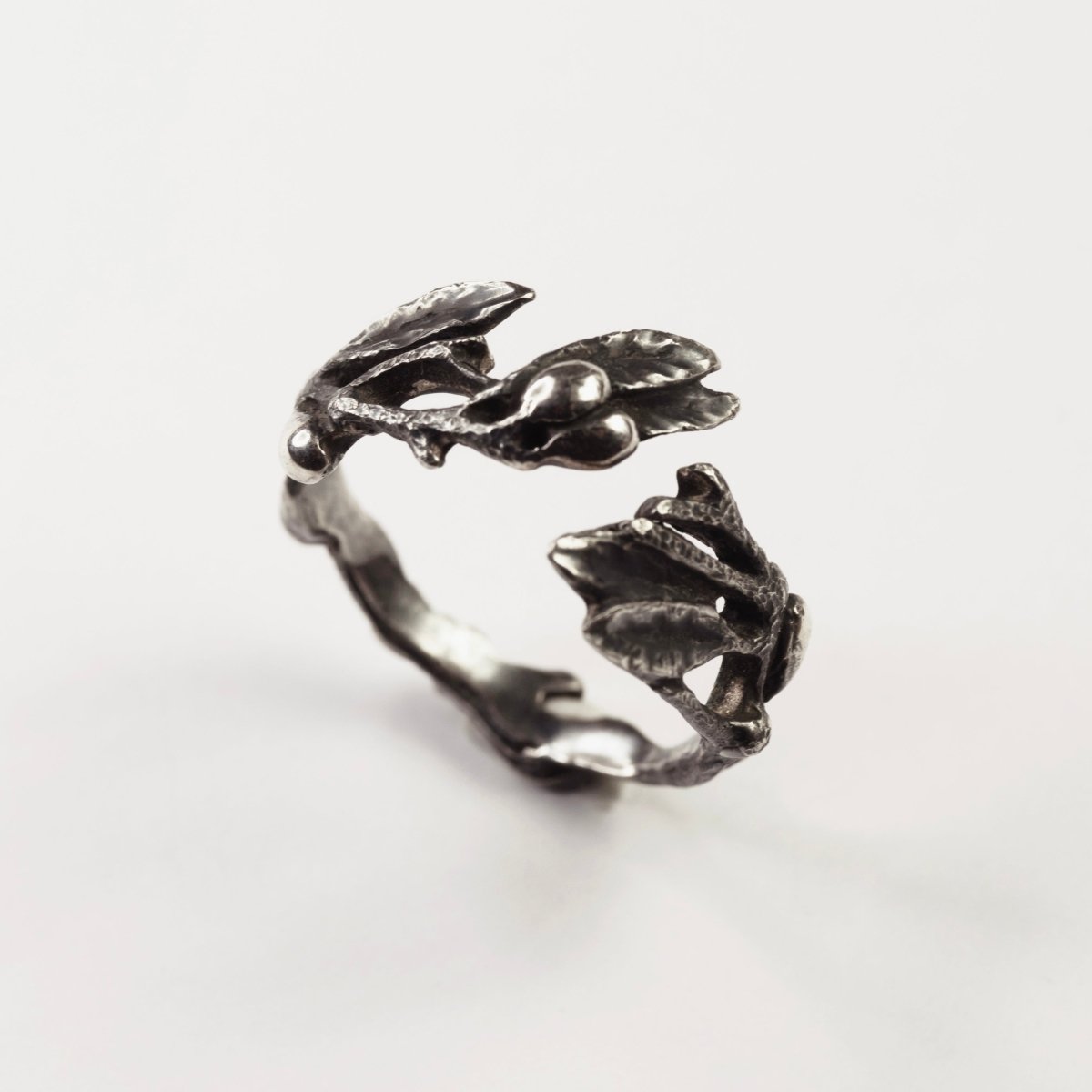
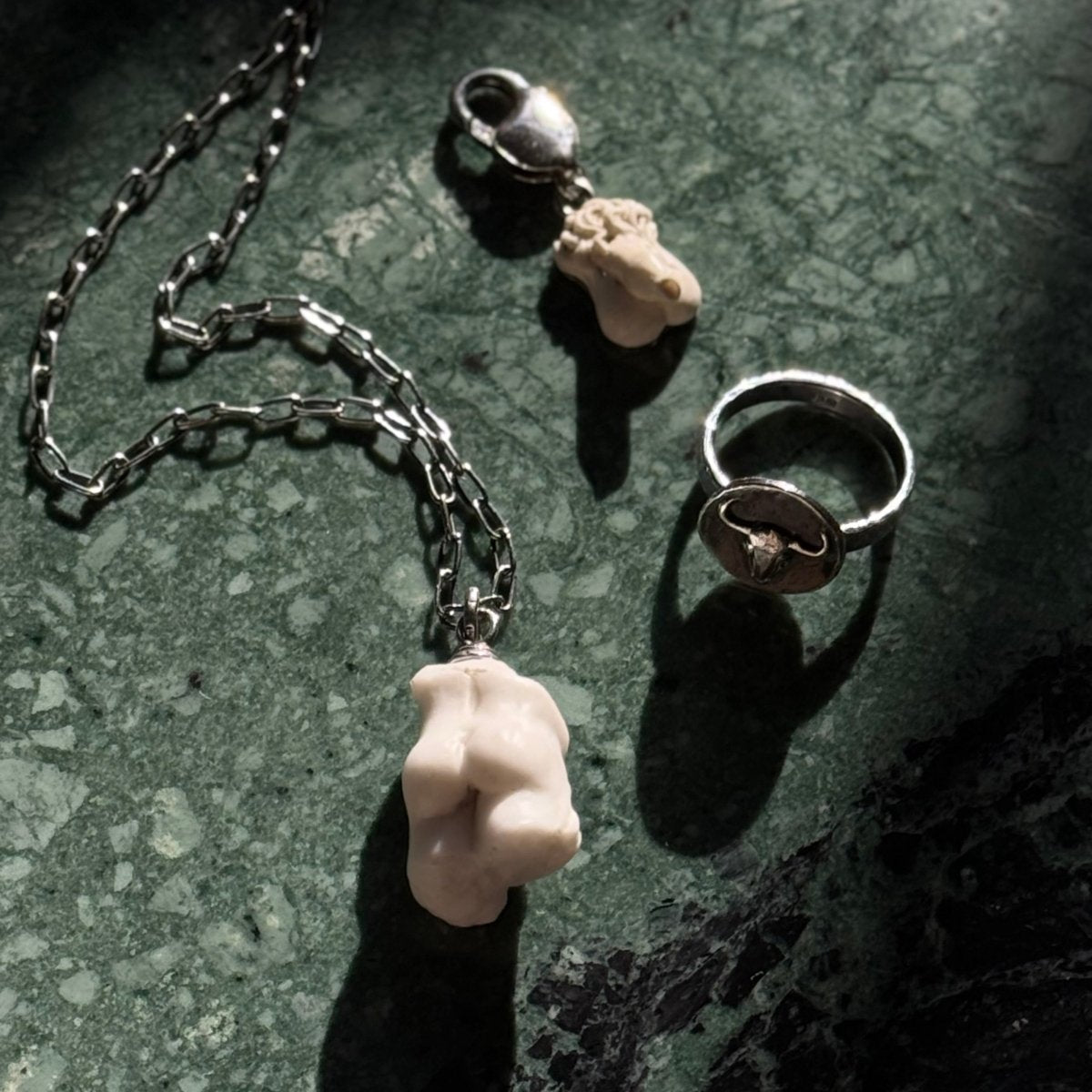
Terracotta Satyr Ring →
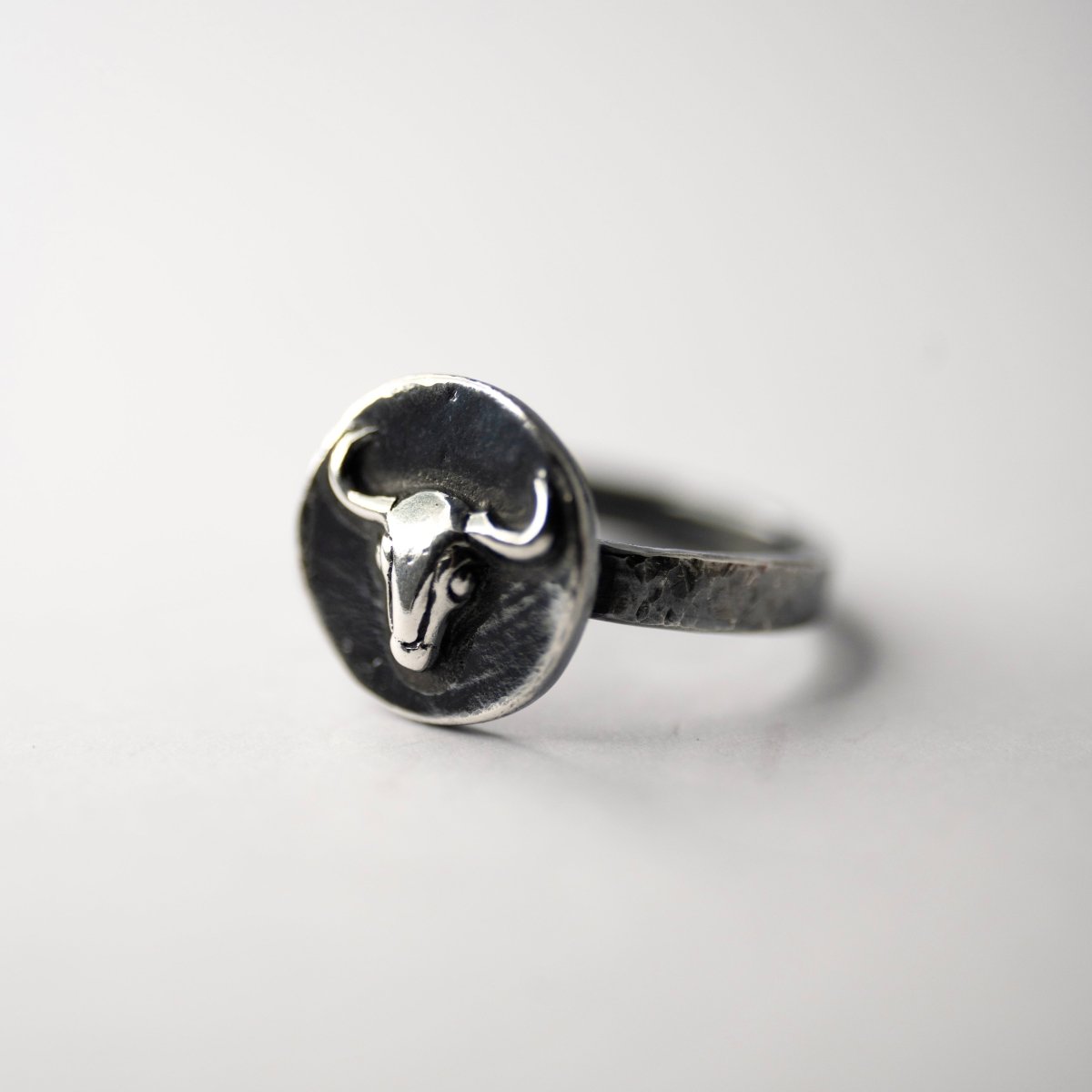
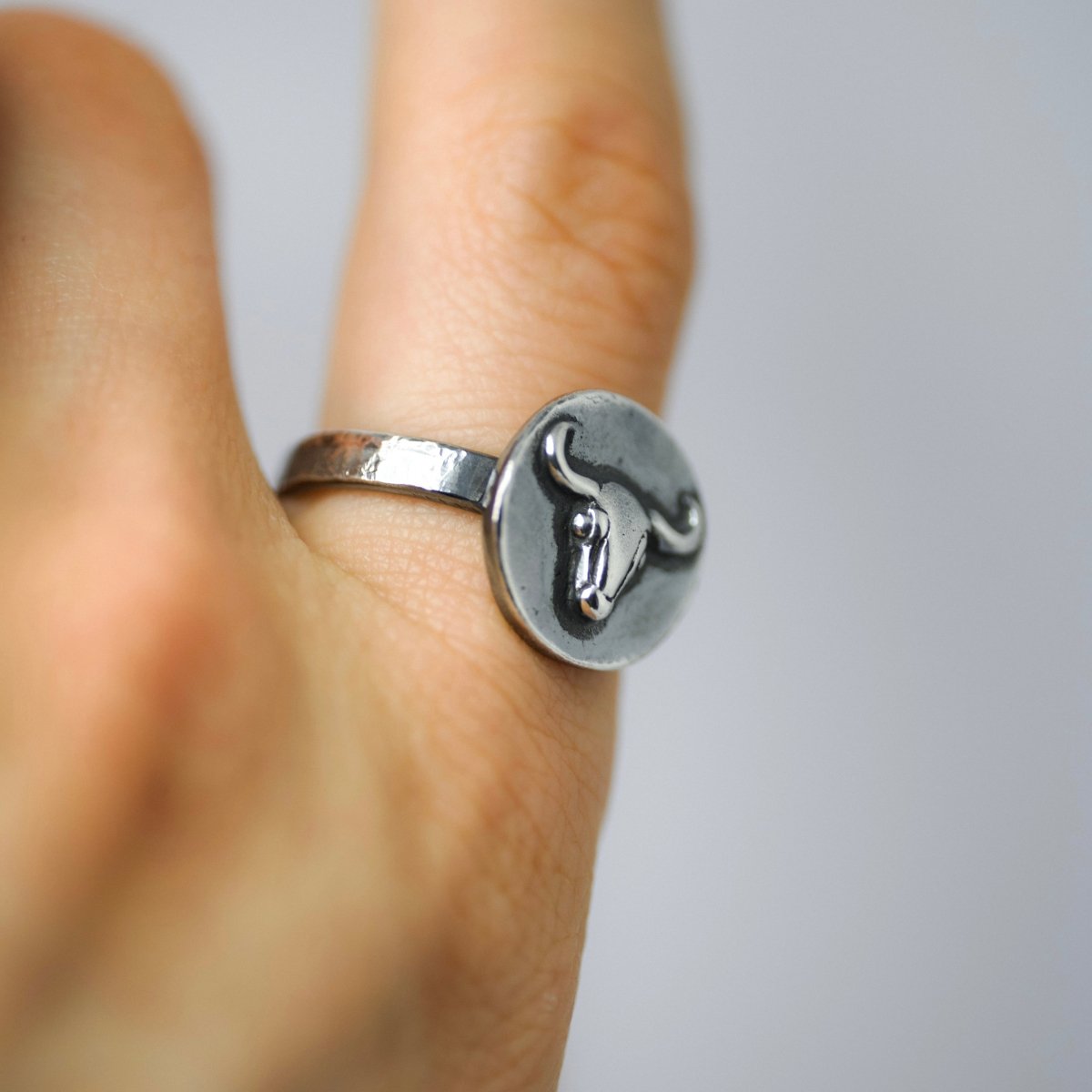
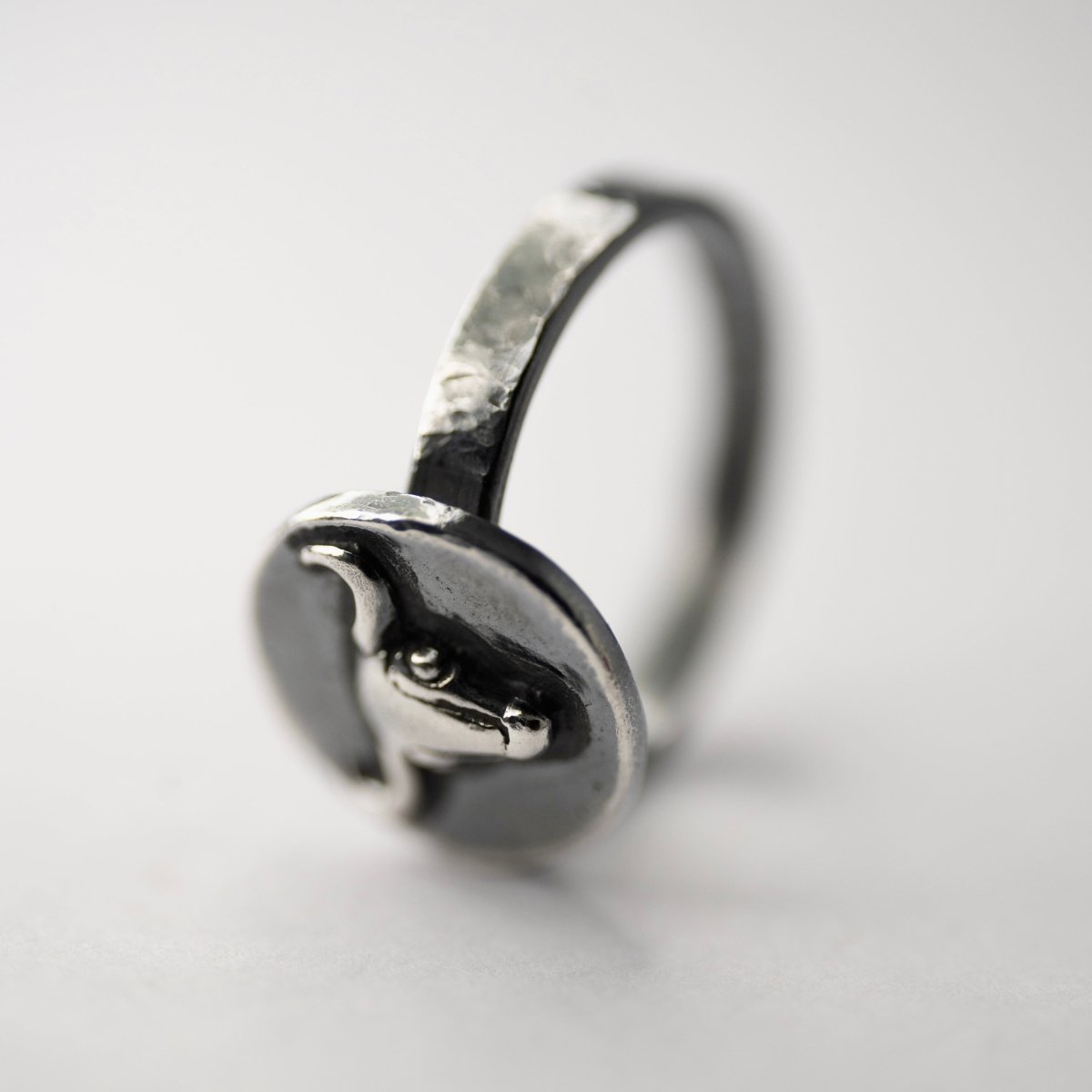
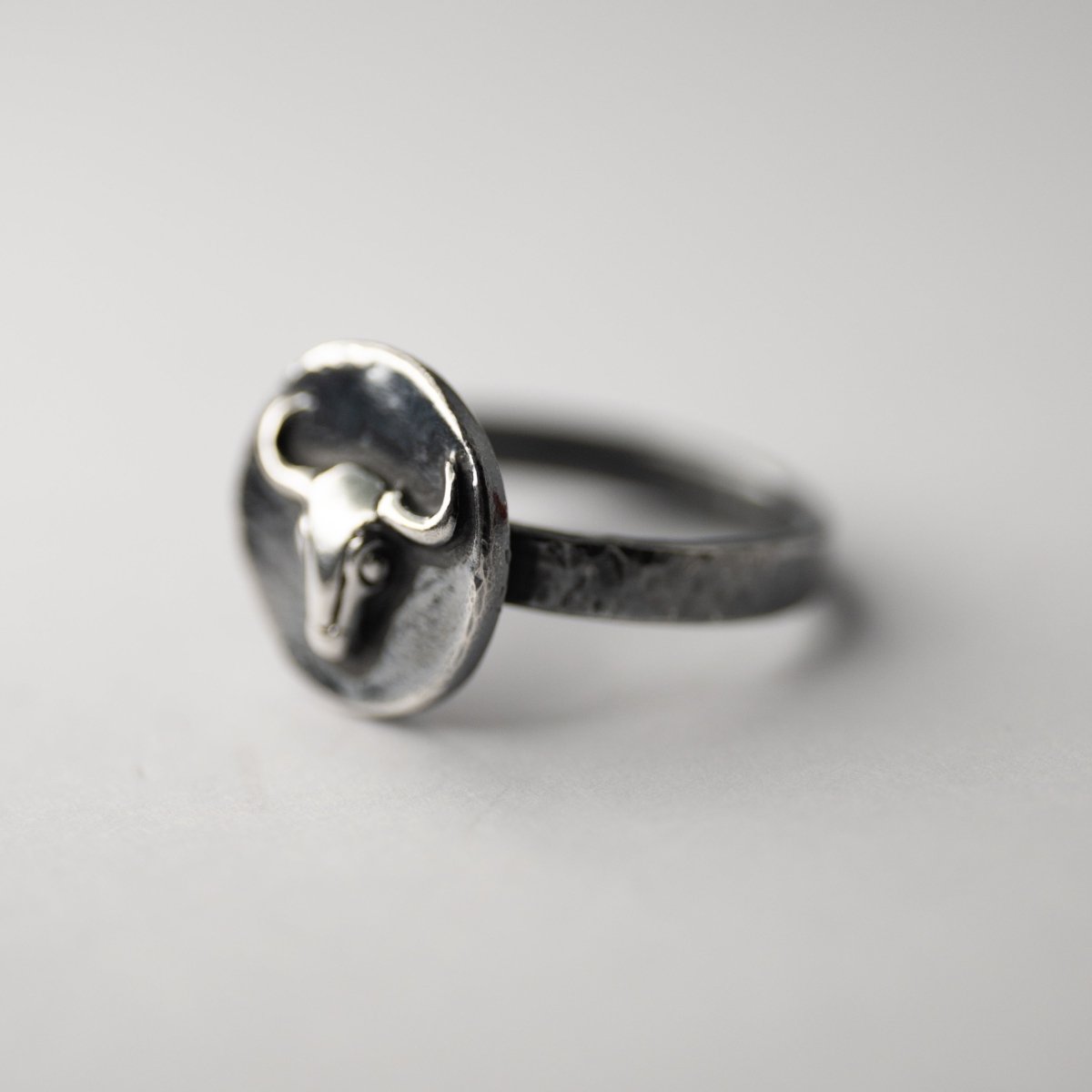
Minotaur Ring →
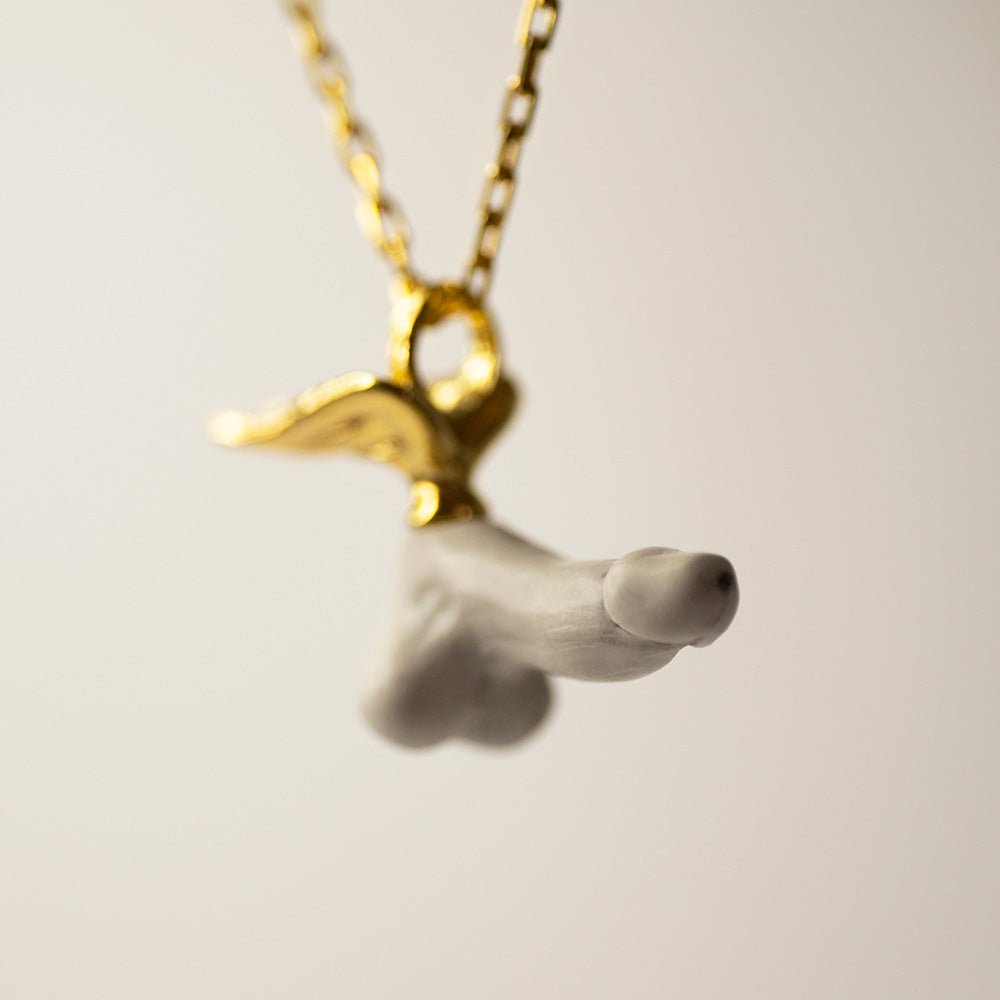
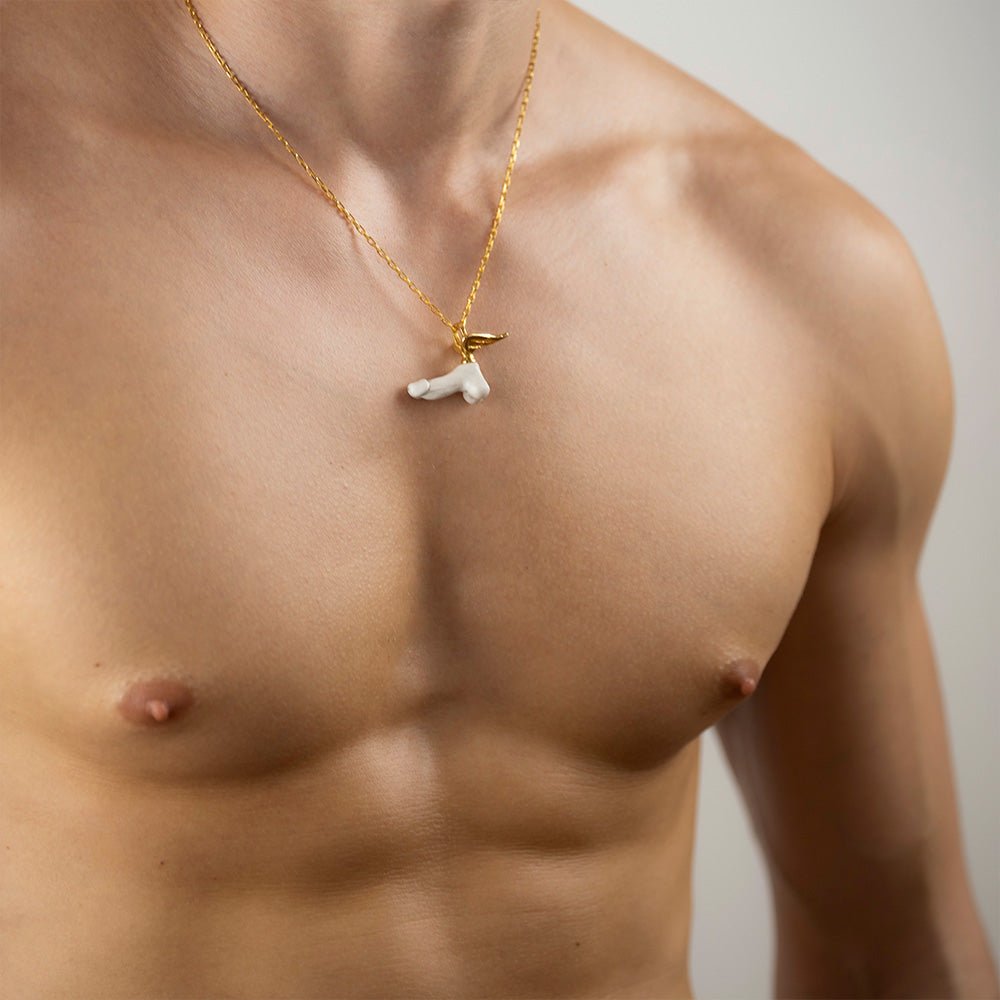
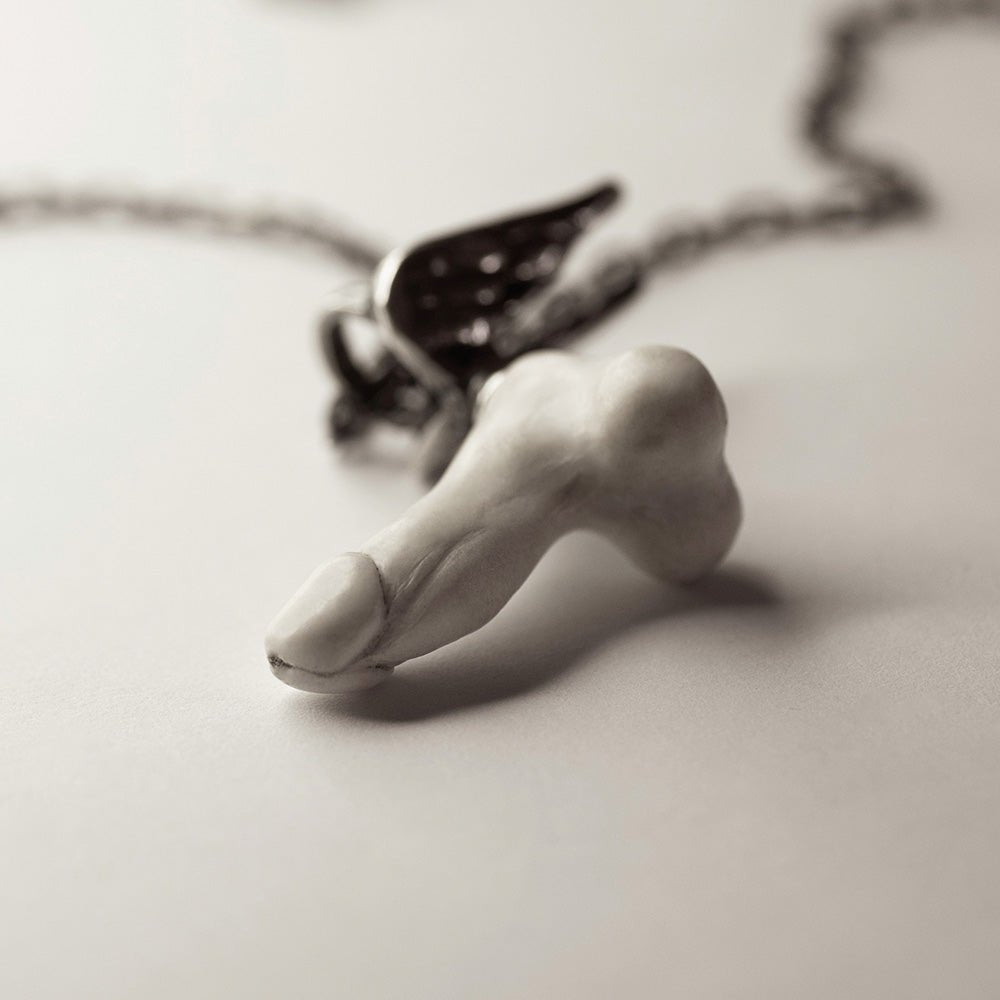
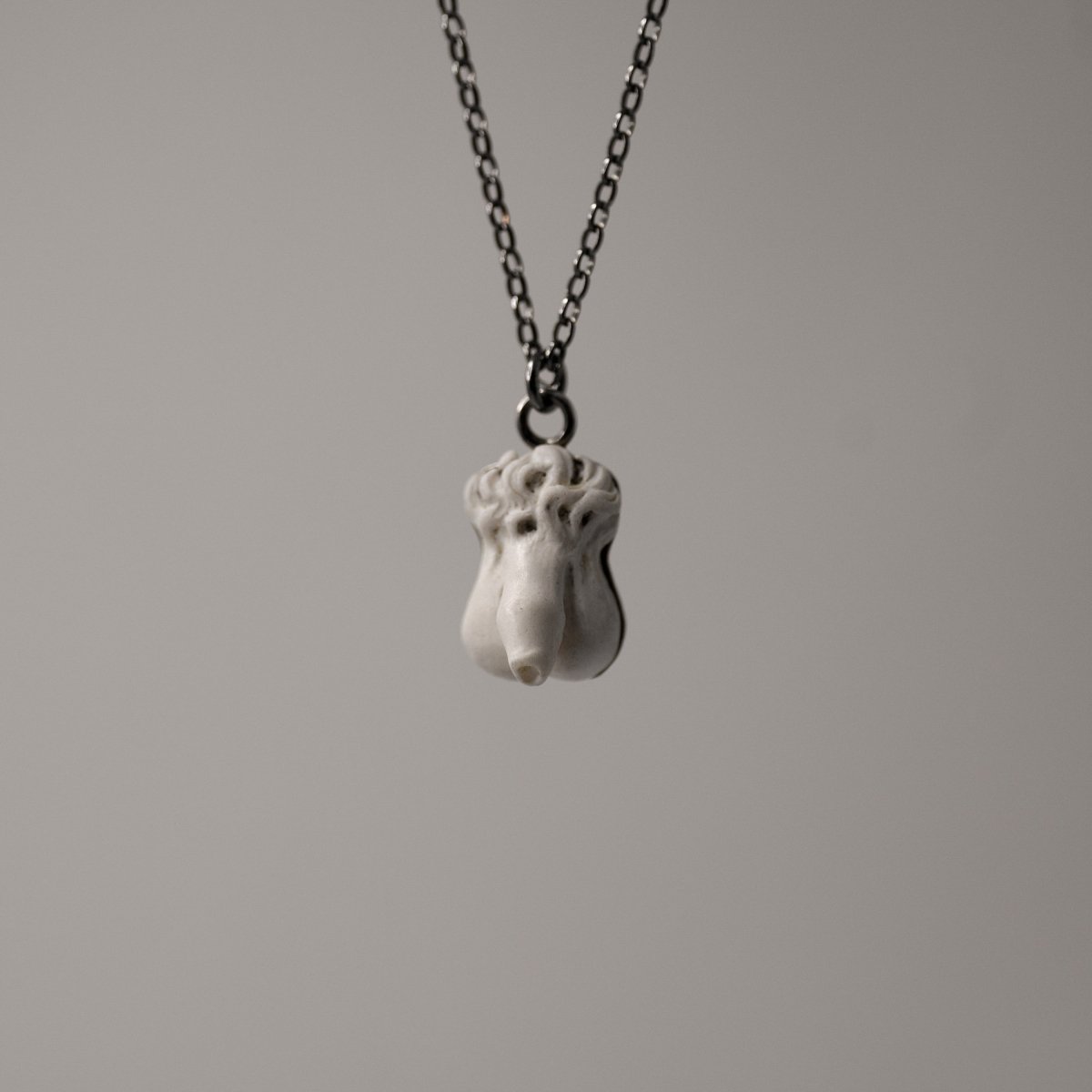
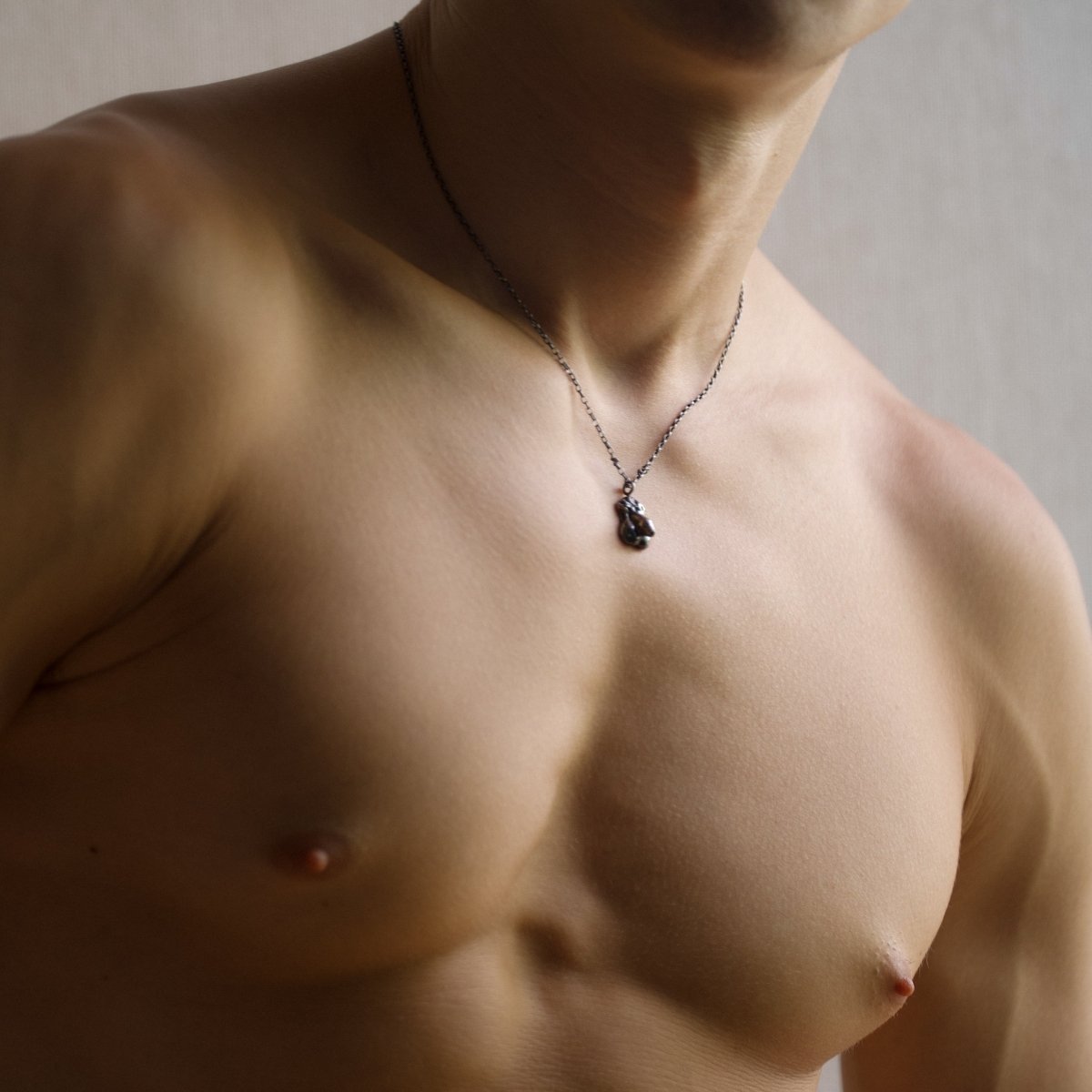
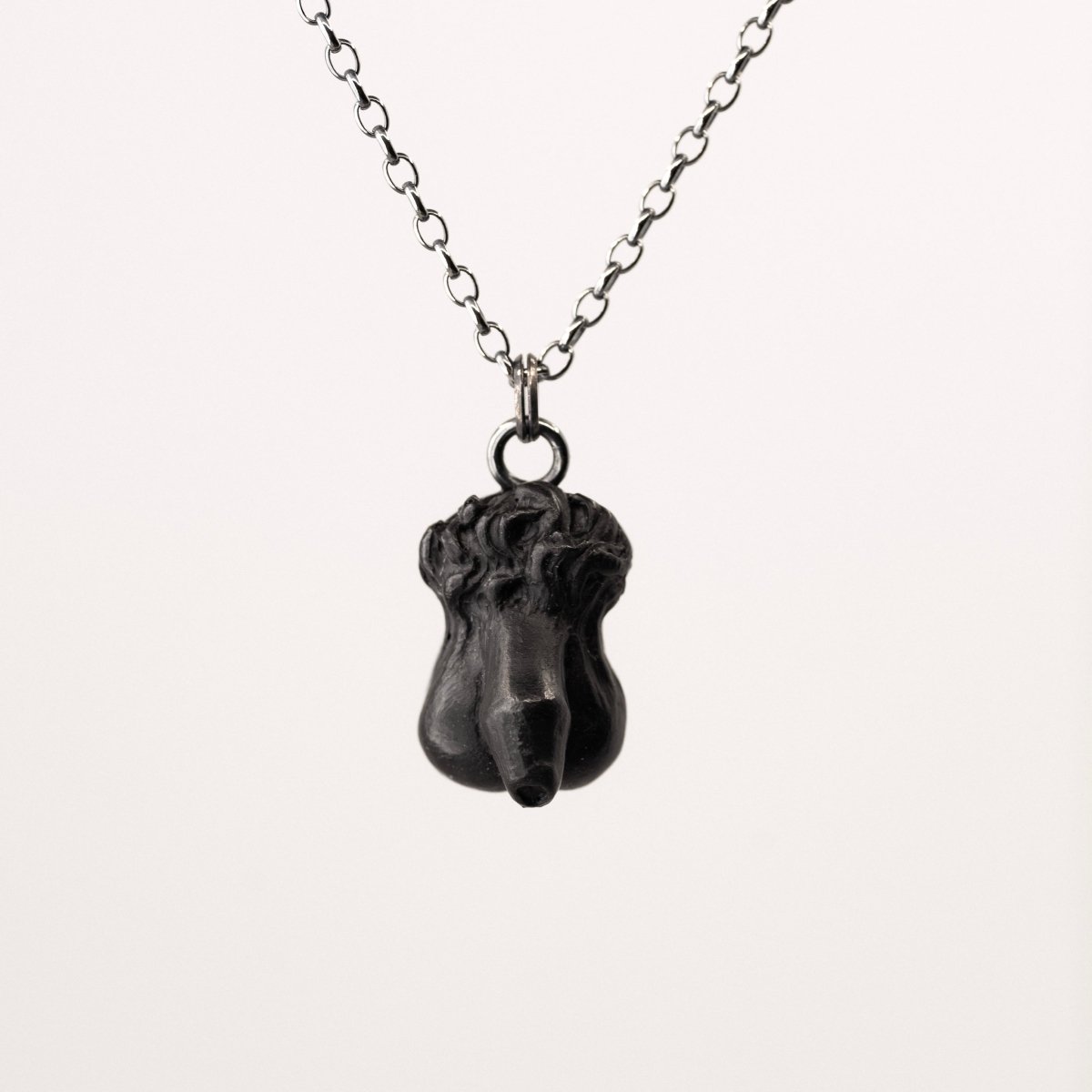
Winged Phallus Pendant →
Shop the Full THEA Collection →
Further Reading
Ancient Greek Pottery: The Inspiration Behind New THEA Jewelry →
THEA by Macabre Gadgets: Mythological Jewelry Inspired by Ancient Greek Sculpture →
Poseidon, Aphrodite & Helen of Troy: Myths Behind THEA Jewelry →
Dark Side of the Moon. And the Sun. →
Related Worlds
THEA — mythological jewelry line →