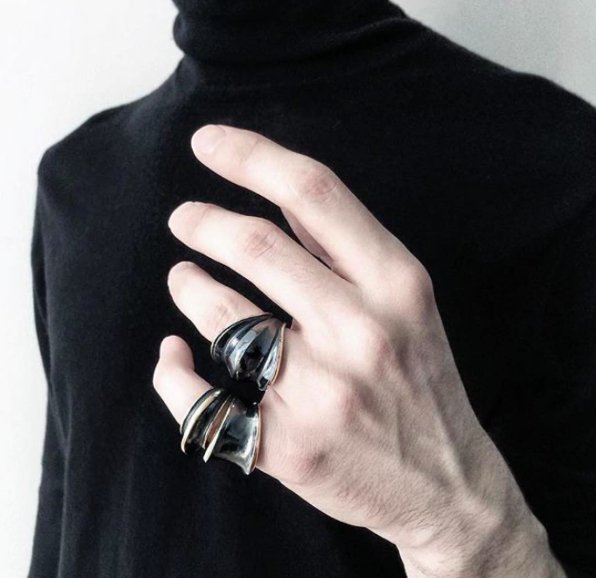
Vampire is our second editorial in the triptych celebrating dark mythical creatures. It felt like a natural choice for us—they are macabre, dramatic, and beautiful, everything Macabre Gadgets stands for. Above all, they are universal.
Like ghosts, vampires have populated human mythology long before Christianity appeared. They existed in many different places long before we collectively decided that Transylvania would become their home. Almost every culture across the globe has tales of blood-drinking creatures.
Vampire History
The examples of bloodthirsty demons, spirits, and undead creatures are so numerous that studying them can almost convince one of their existence.
The Ancient Greeks preserved some of the earliest records of a creature resembling a vampire: Lamia, the beautiful queen of Libya. Cursed by Hera for her affair with Zeus, she was transformed into a child-devouring monster. In later versions of the myth, she feeds on the blood and life force of young handsome men, as one would expect.
She appears in early Greek literature and fragments dating back to the 6th century BCE, later described in more detail by the 1st-century BCE historian Diodorus Siculus and mentioned in Aristophanes’ 5th-century BCE comedies.
The folklore of the Indian subcontinent contains one of the most unconventional and terrifying entities in vampire history—the Vetala. Far removed from the image of the aristocratic vampire, it is a predatory shape-shifting spirit that possesses and animates human corpses. Once inside a cadaver, it hangs upside down from trees in cemeteries and drinks human blood.
Vetalas appear in Sanskrit literature dating to the 11th century CE in Somadeva’s Kathasaritsagara (Ocean of the Streams of Story), a compilation of much older oral traditions and folklore from the 1st millennium BCE.
And finally, there is the Upyr—the Eastern European and Slavic prototype of the modern vampire. Long before the Church introduced holy water and crucifixes into vampire folklore, early Slavic peoples believed that those who died improperly—through suicide, violence, or without proper funeral rites—could become trapped between worlds. These restless spirits would return to inhabit their own corpses, causing the body to swell with fresh blood within the grave.
While its origins lie in oral animistic traditions dating back to the 4th century CE, the earliest surviving written record of the creature appears in an East Slavic manuscript from 1047 CE.
By combining ancient mythology with the modern vampire of popular culture, we can bridge past and present through a single, remarkably unchanged character and observe the arc of time through its unchanging gaze.
Macabre Gadgets Vampire
For this editorial, we did not travel too far into the past, nor did we make the creature too alien to our own time. Instead, we chose to explore the tension between much closer eras.
Our Vampire is a breathtaking and terrifying medieval countess, crowned, heavily bejeweled, and dressed in grand funerary attire. Her story is almost forgotten, her grave lost among ruins. She hunts through the remains of a nameless medieval town that grows smaller with every passing decade, slowly consumed by modern streets and tourist attractions.
We intentionally avoided the modern “superhero” version of the vampire. Instead, we wanted to focus on a feeling, an emotion. We wanted to humanize the monster, if only slightly.
She is undoubtedly frightening and deadly, but from this perspective we can also see vulnerability, melancholy, and loss. Most importantly, we can see the most powerful force of all—the passing of time.
Shop the Vampire Collection →
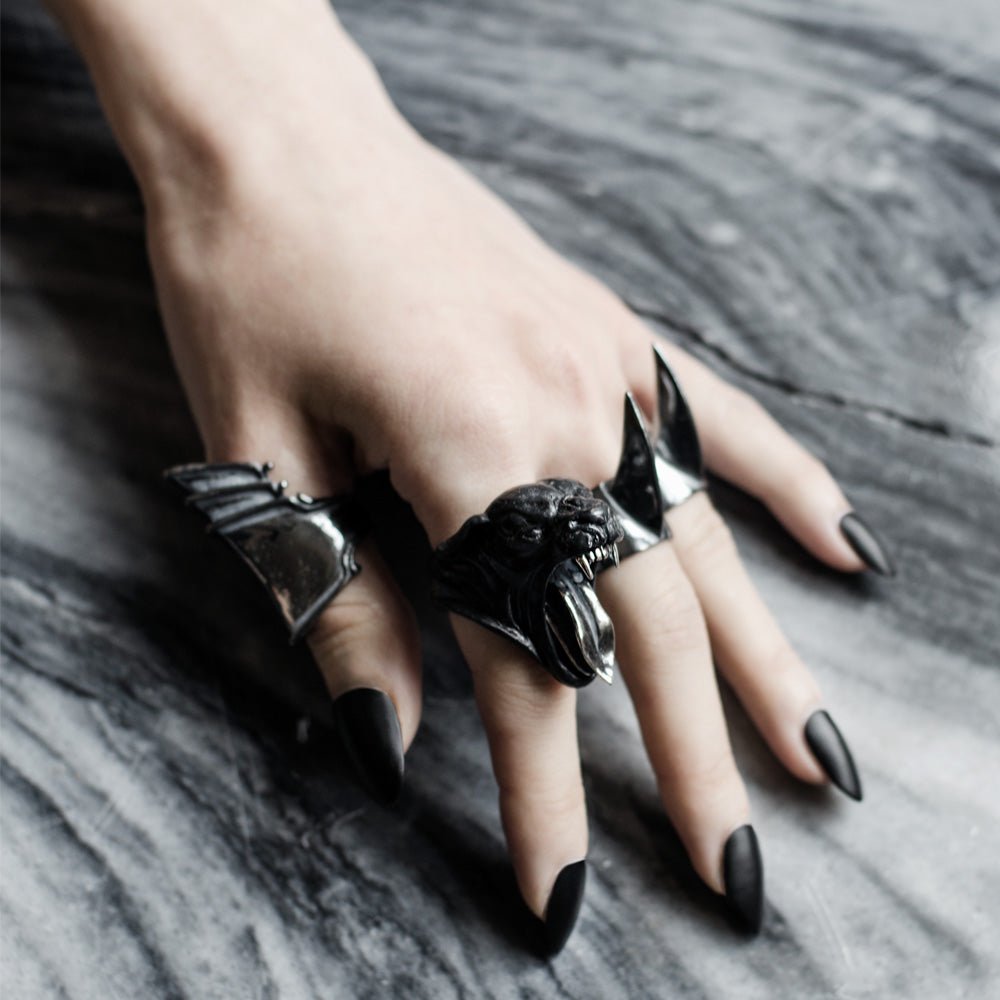
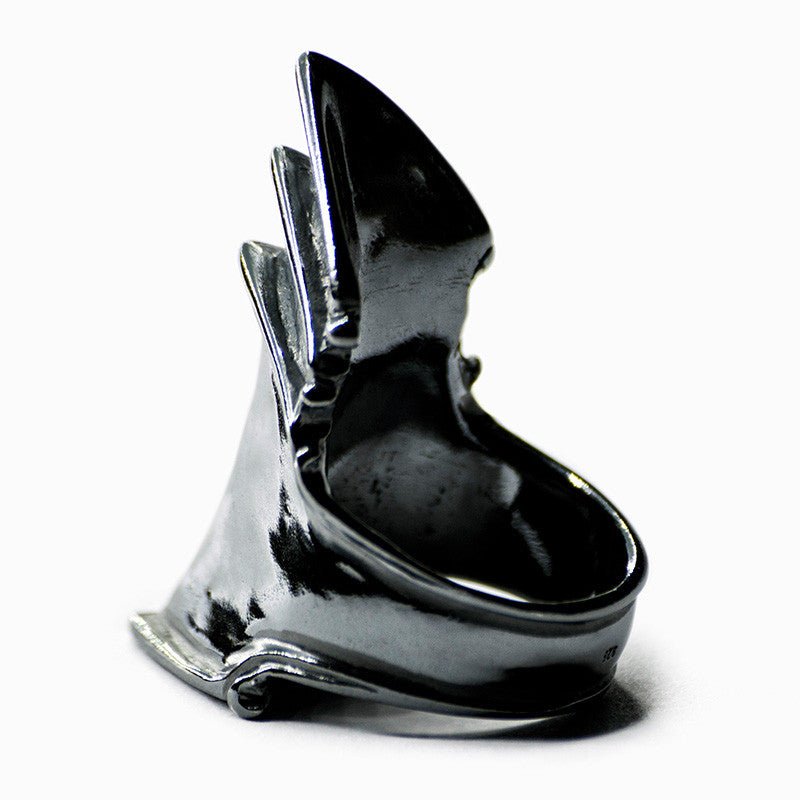
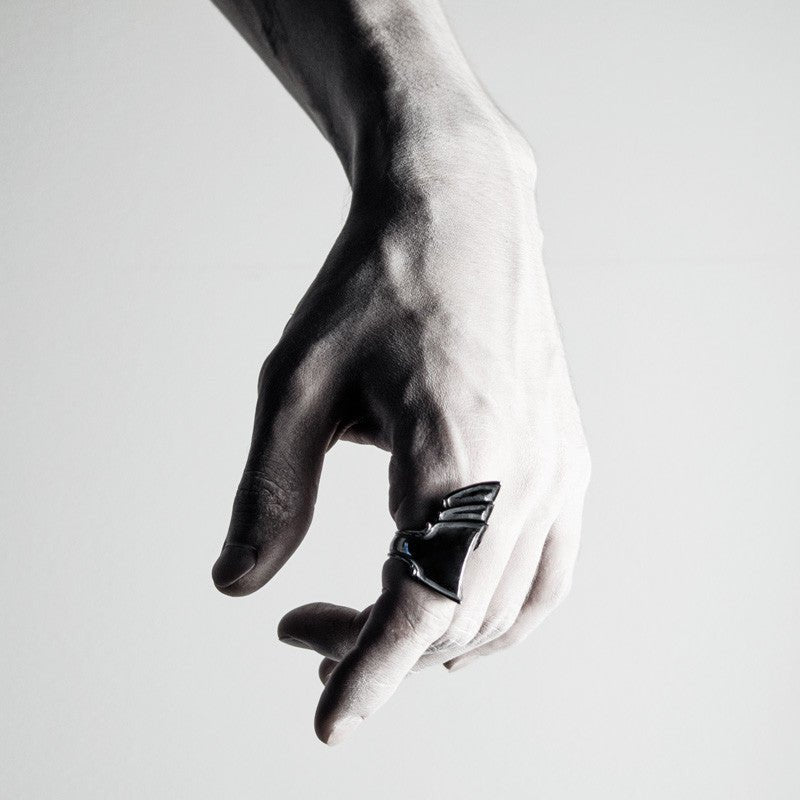
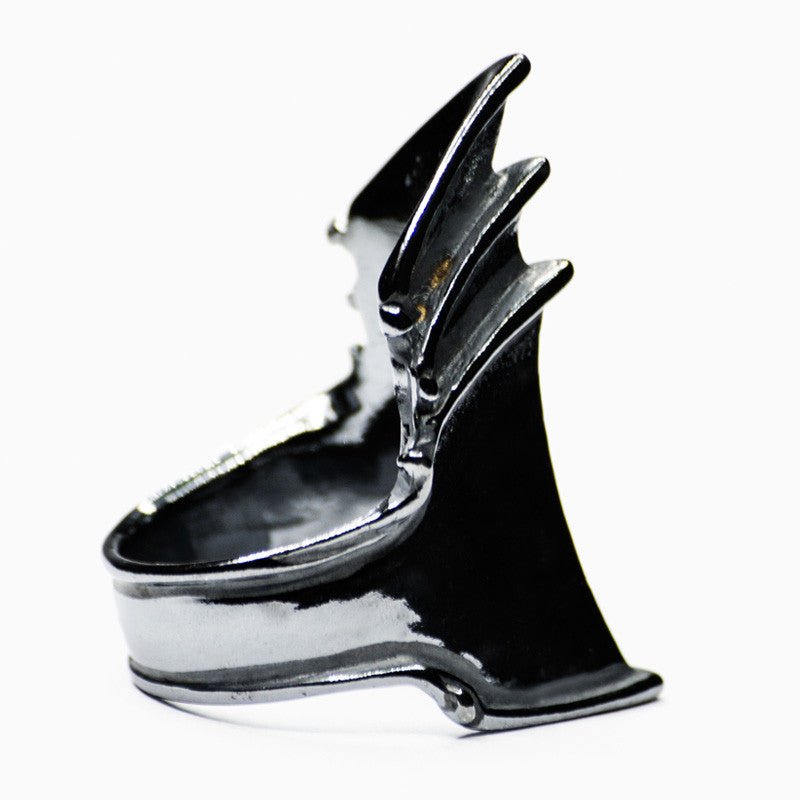
Vampire Jewelry
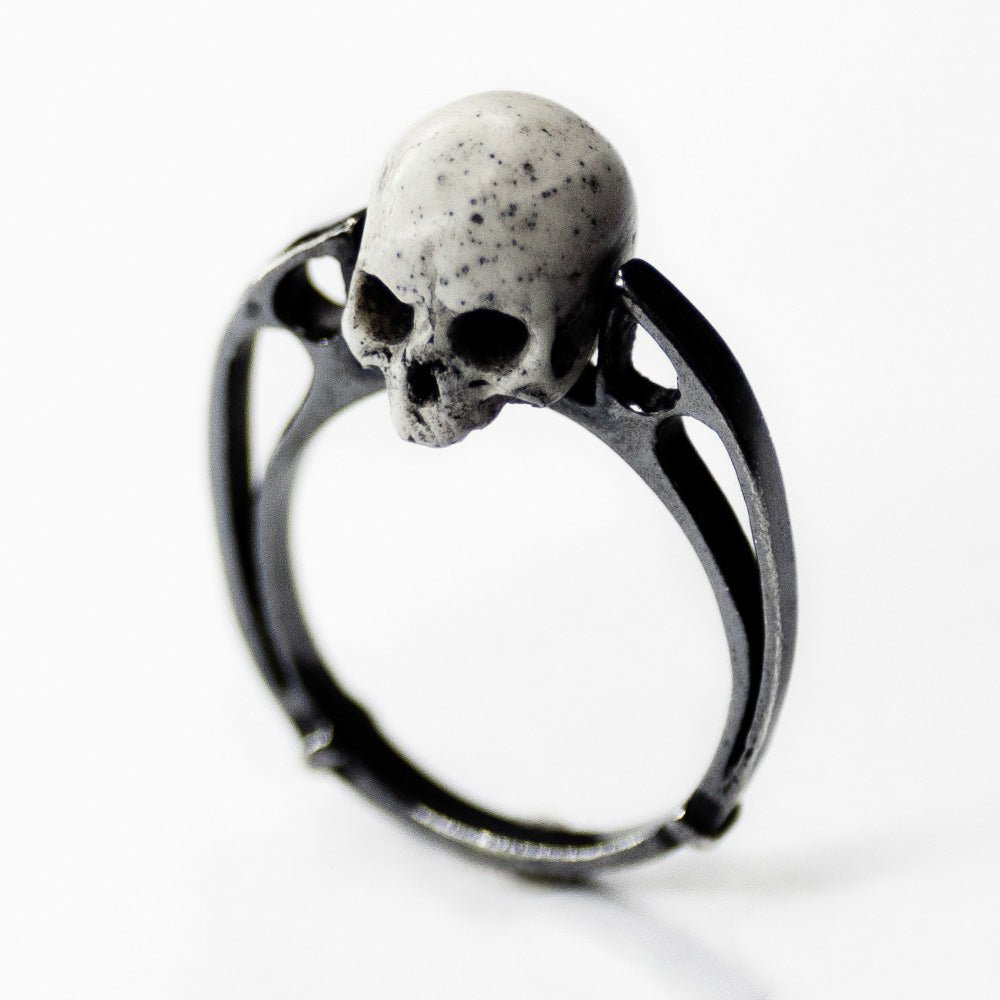
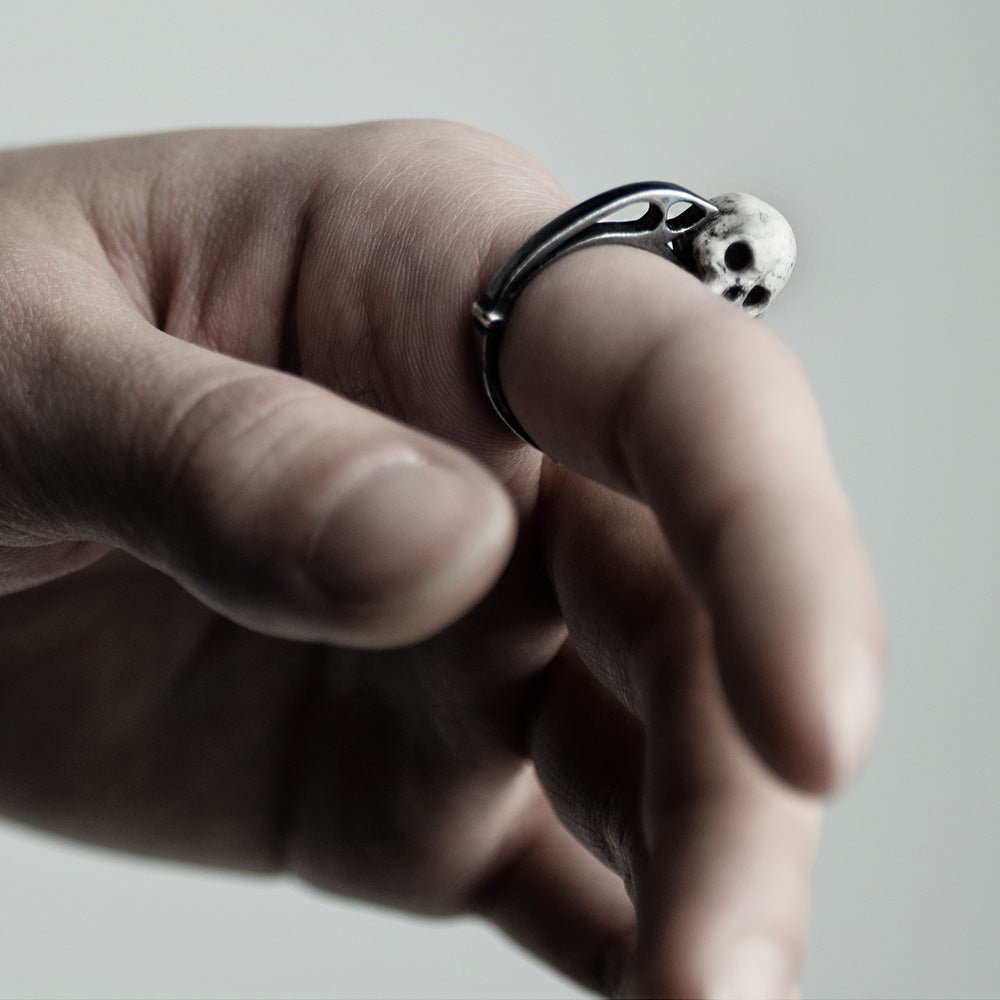
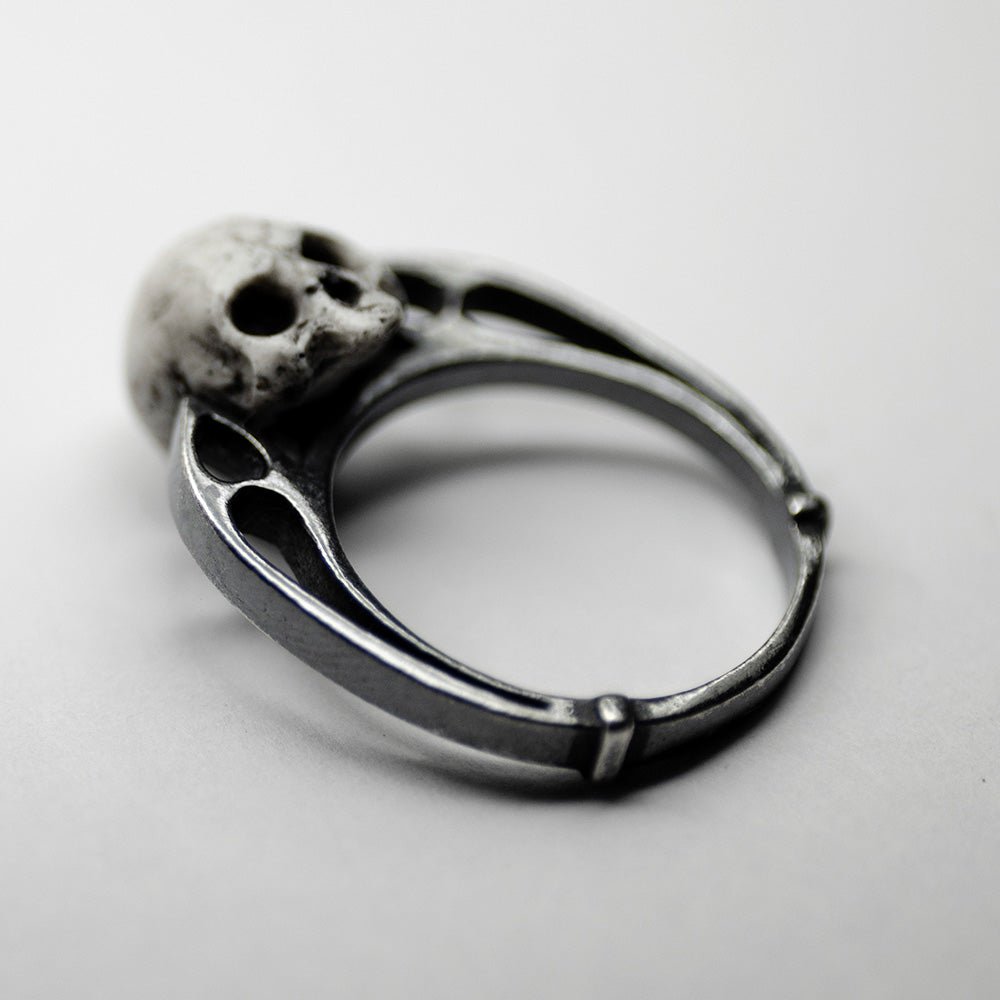
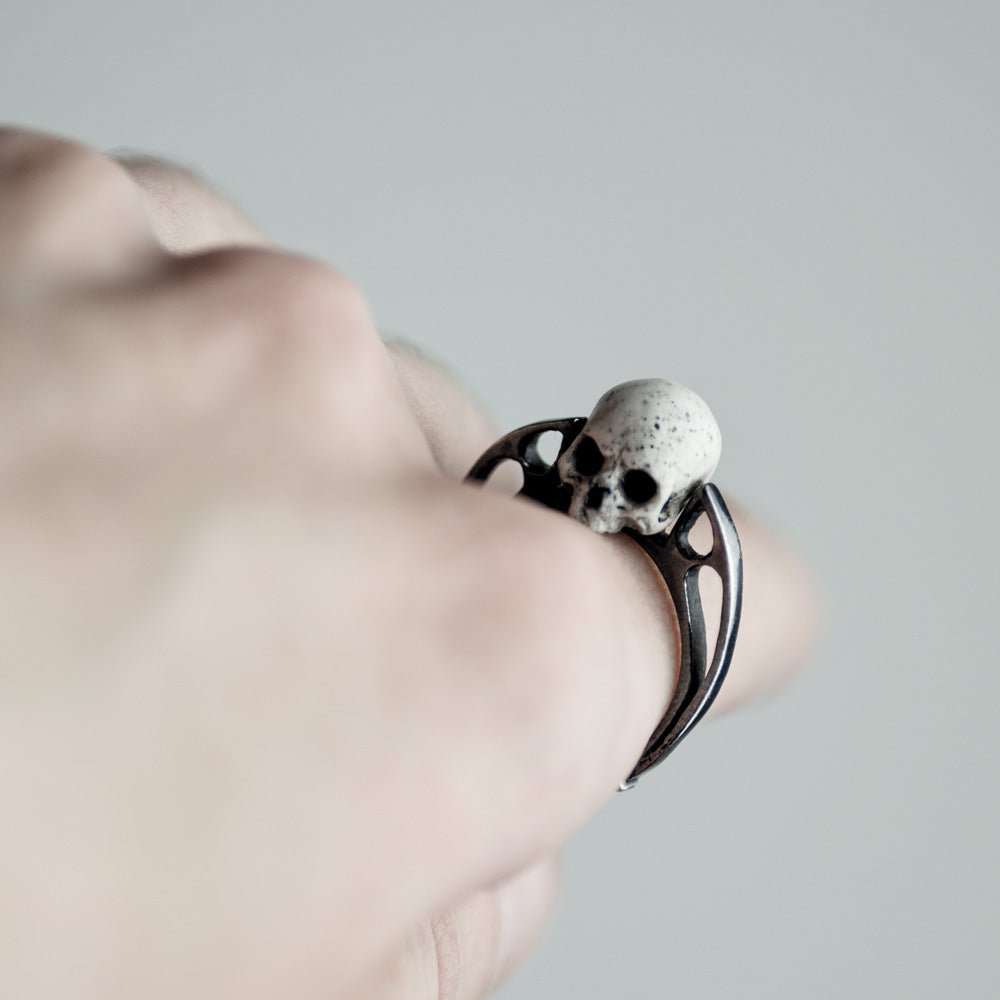
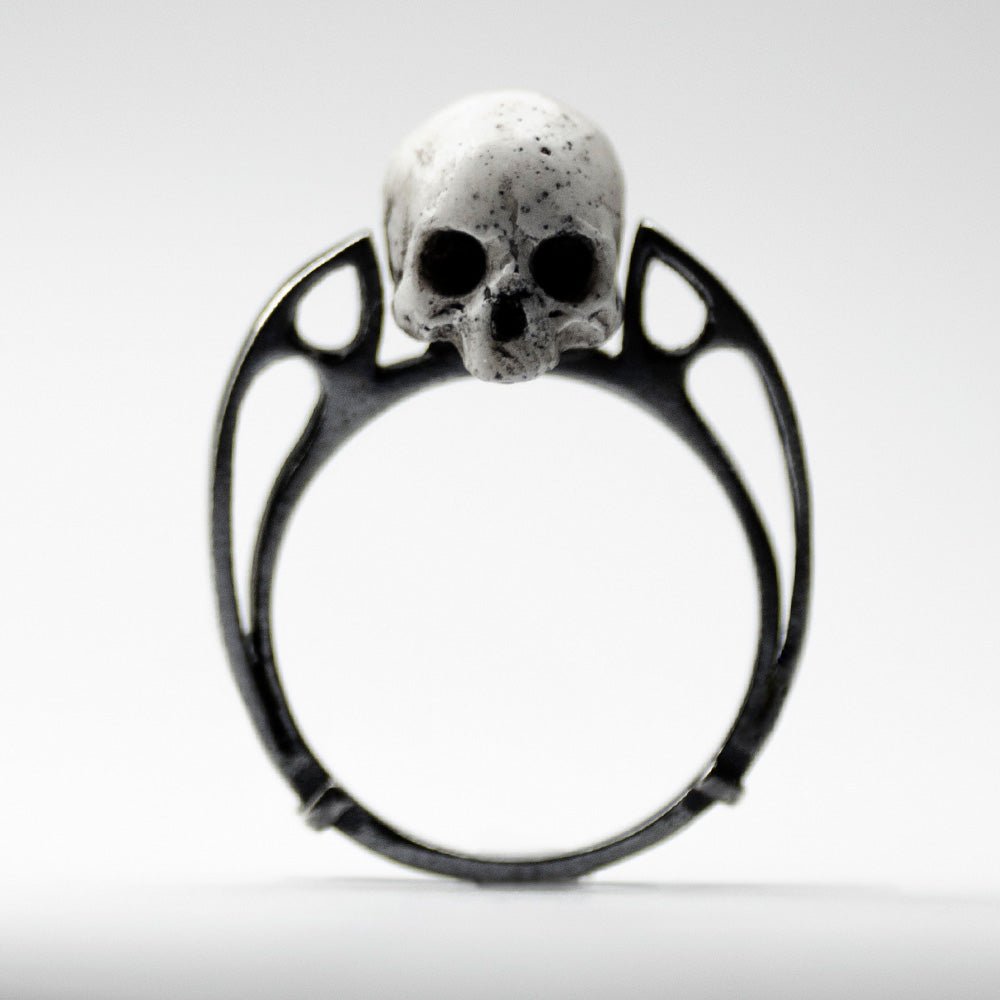
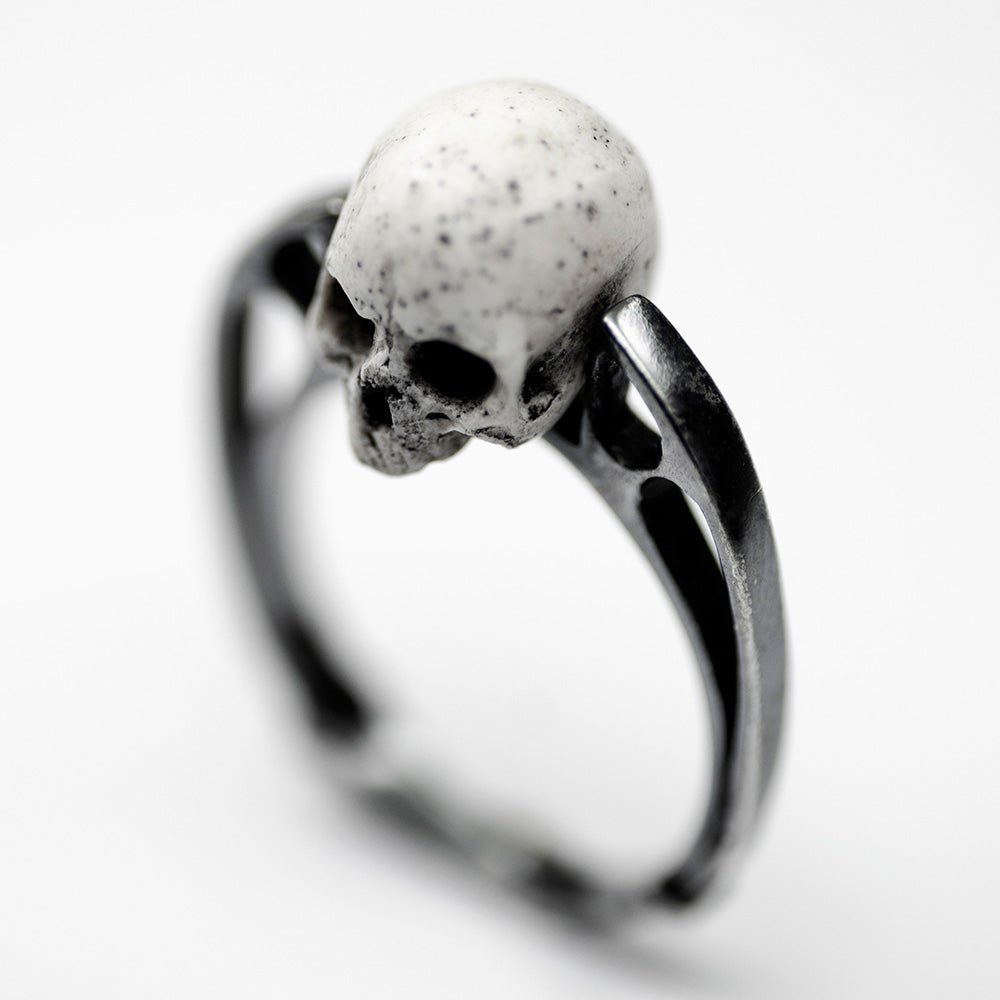
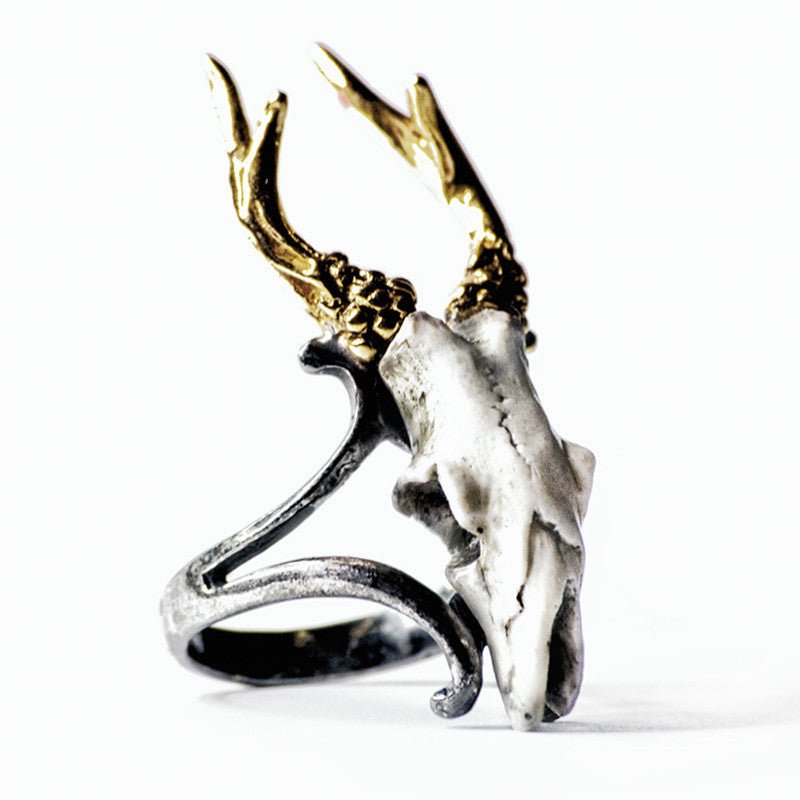
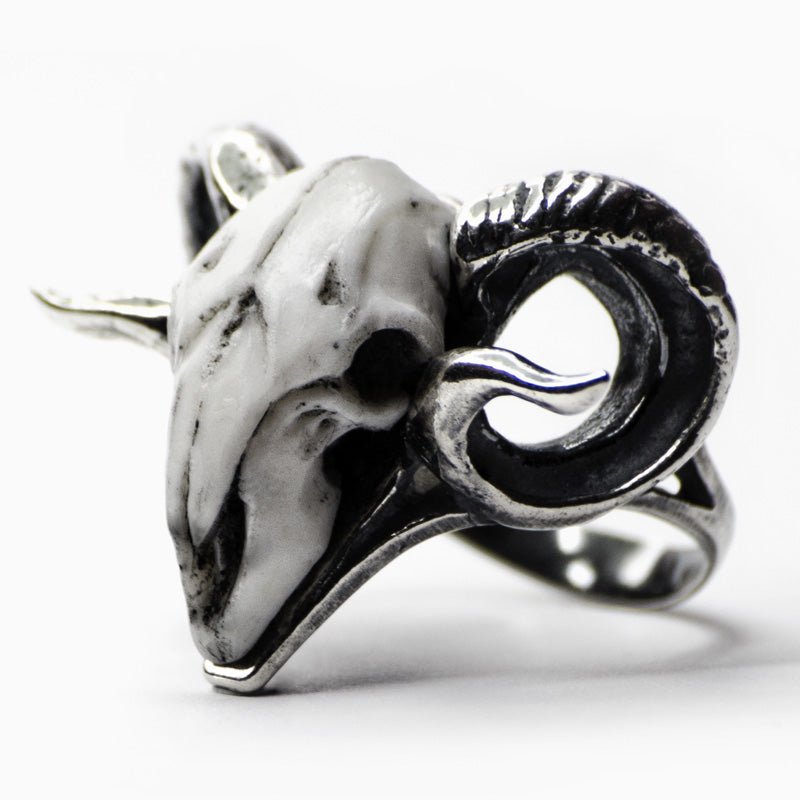
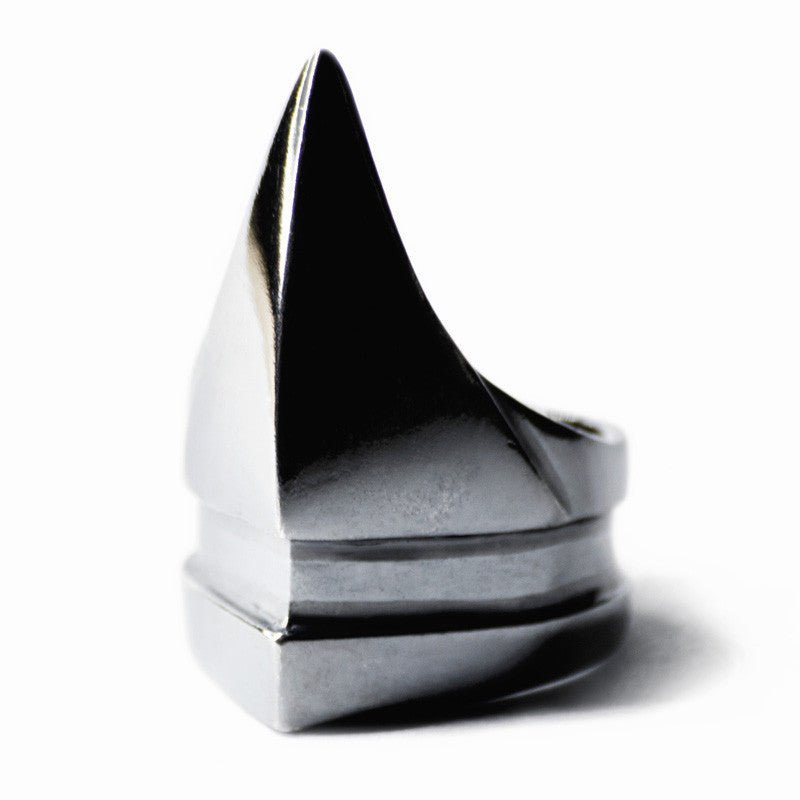
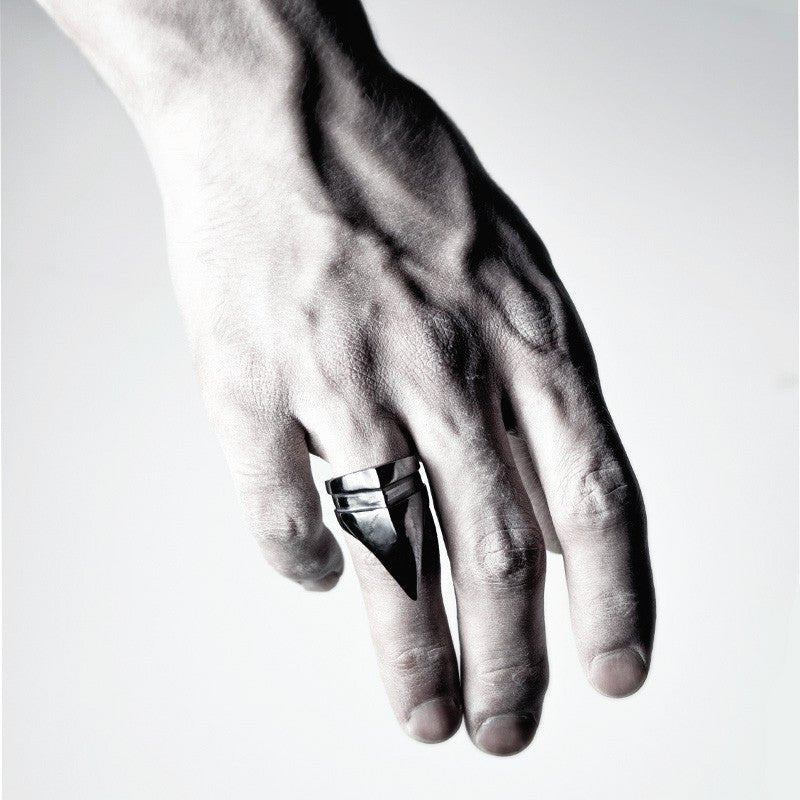
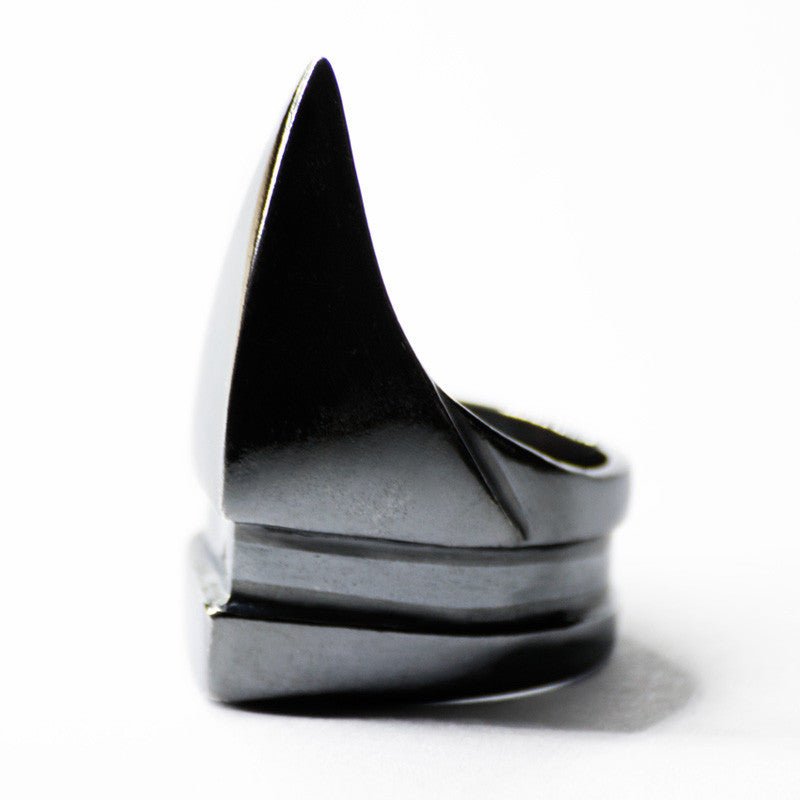
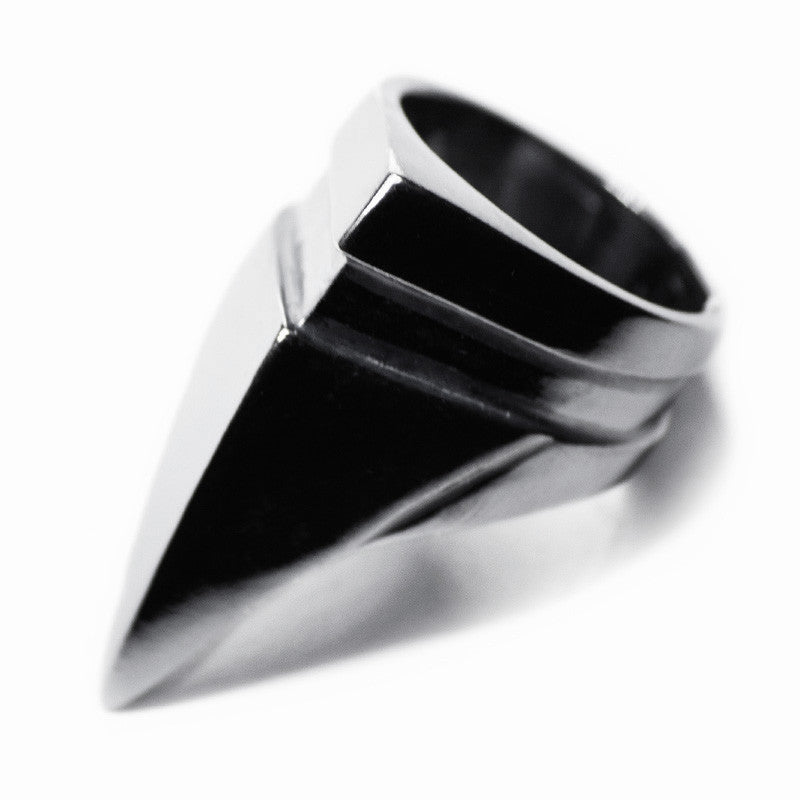
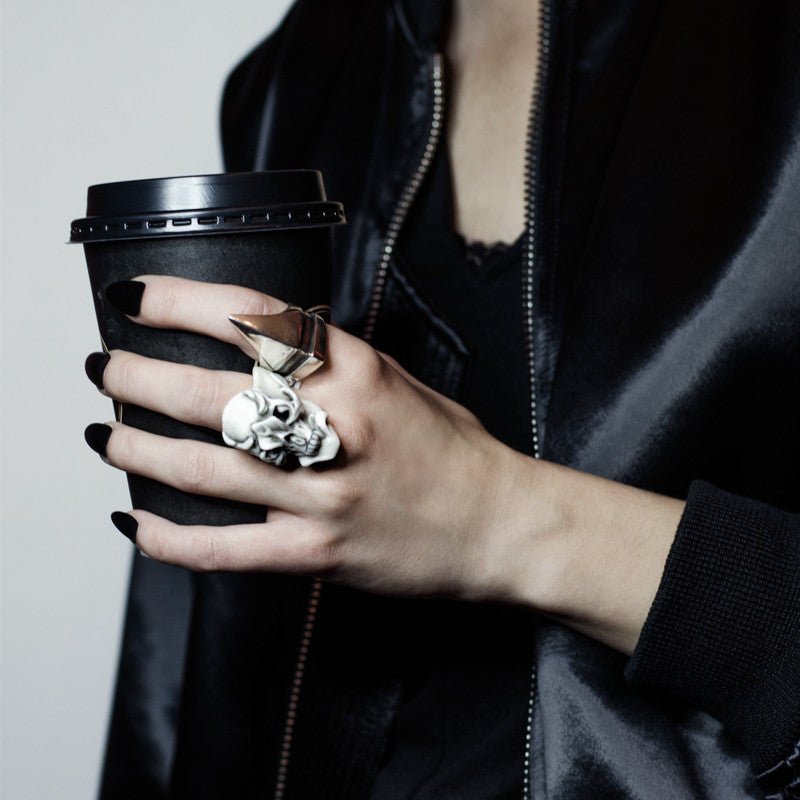
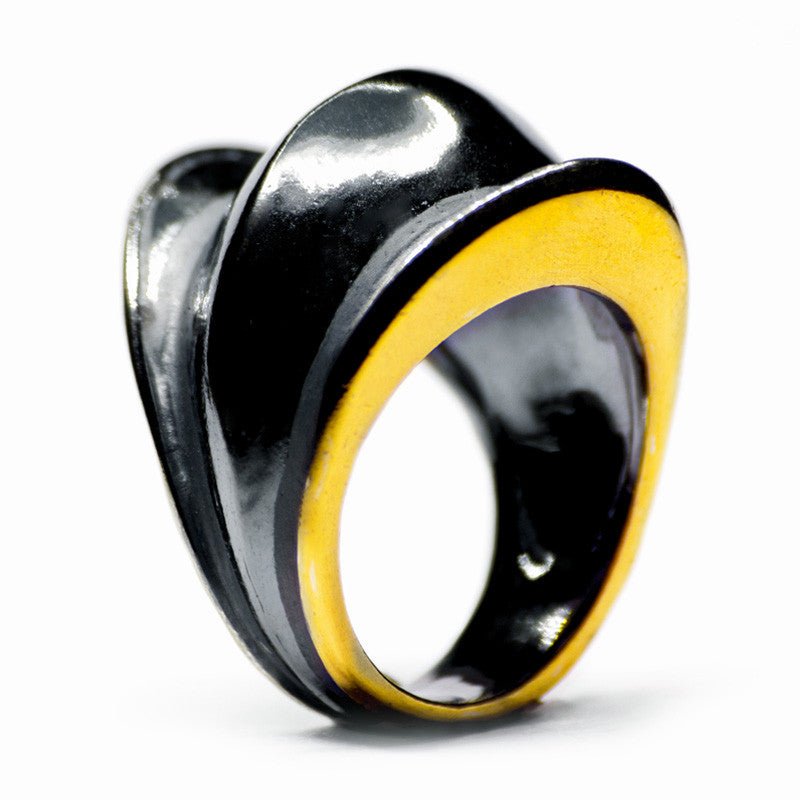
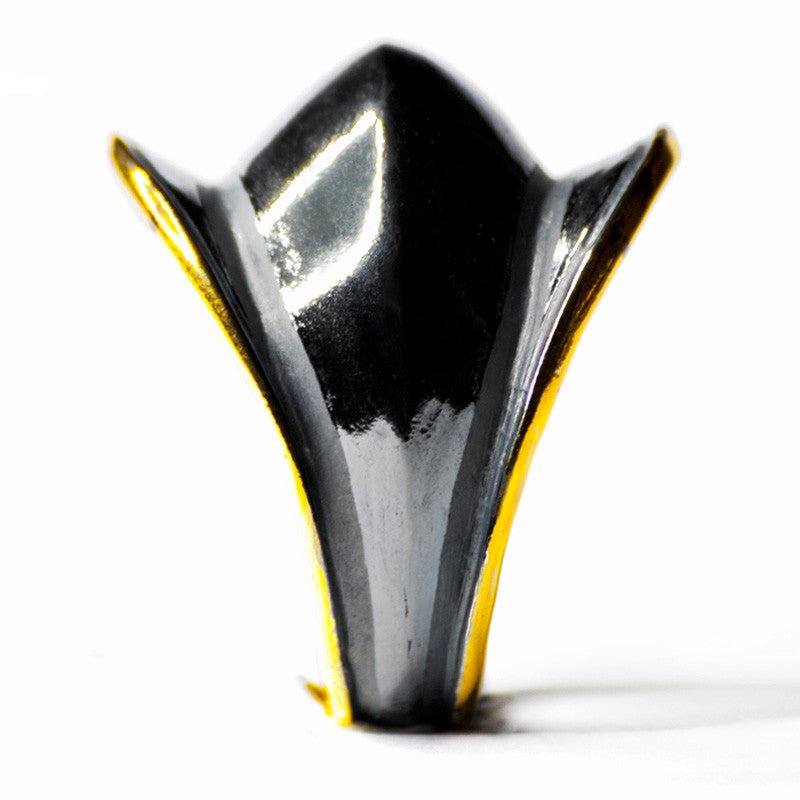
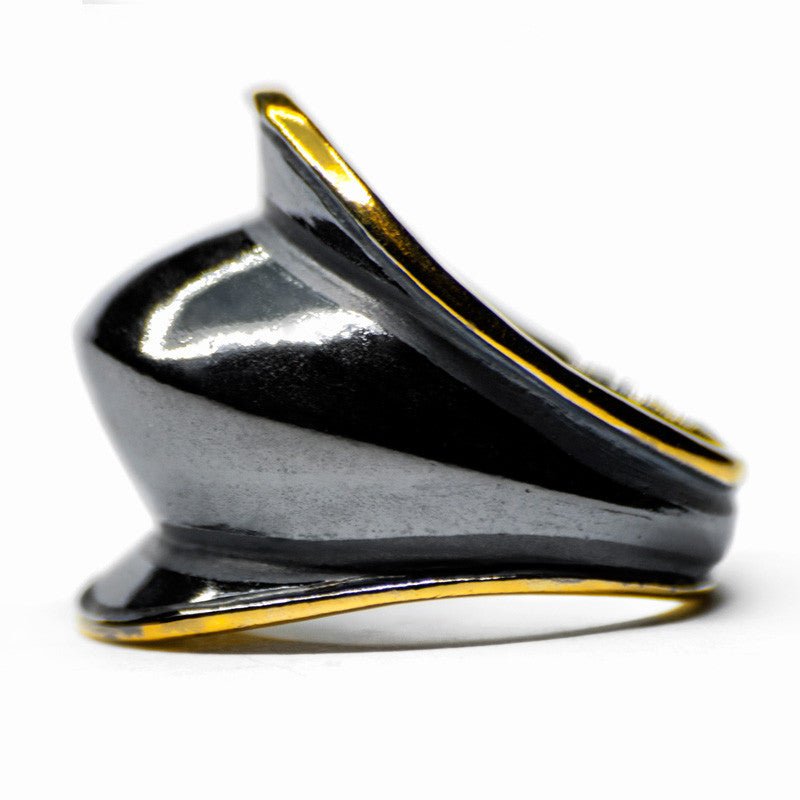
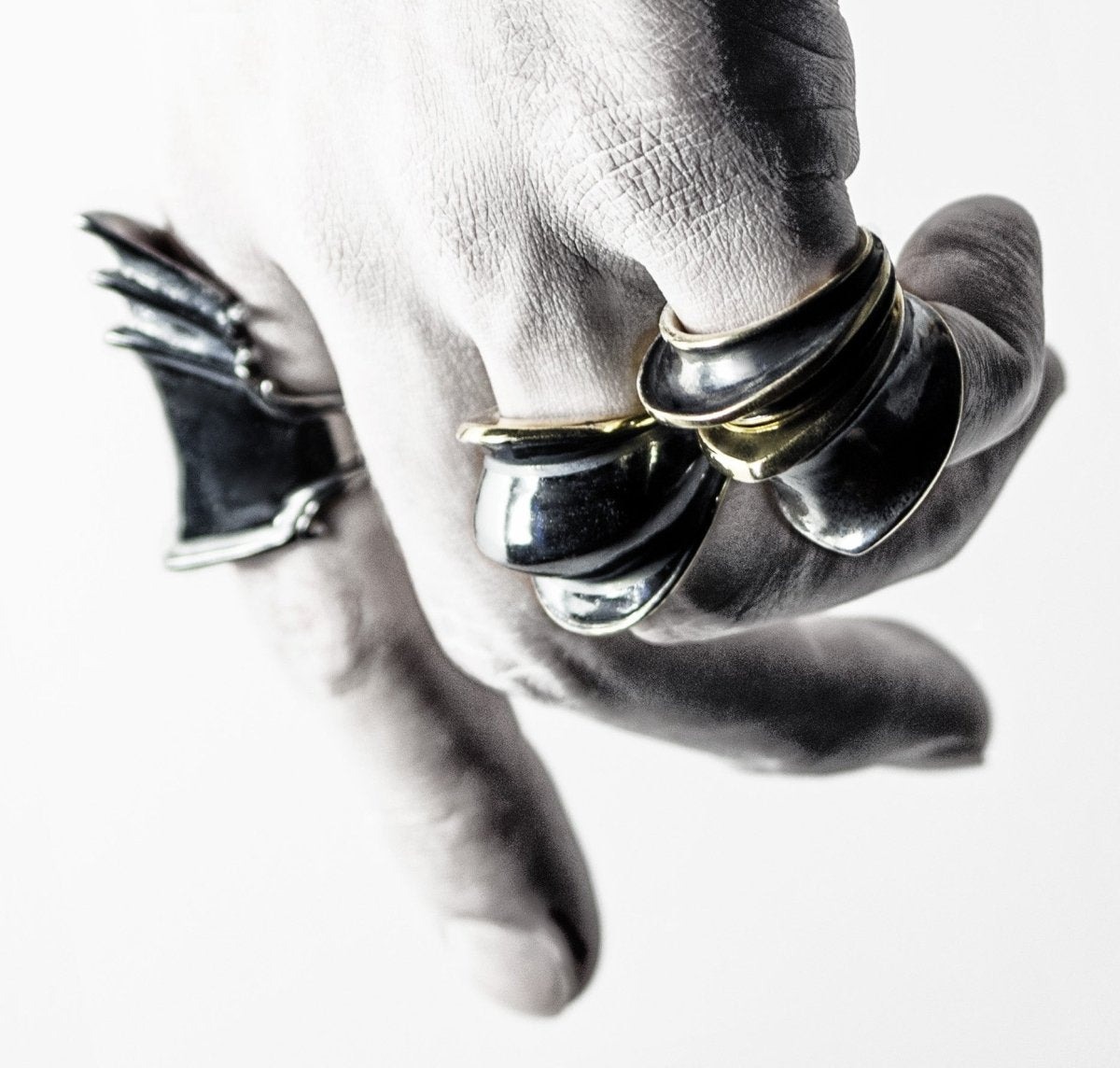
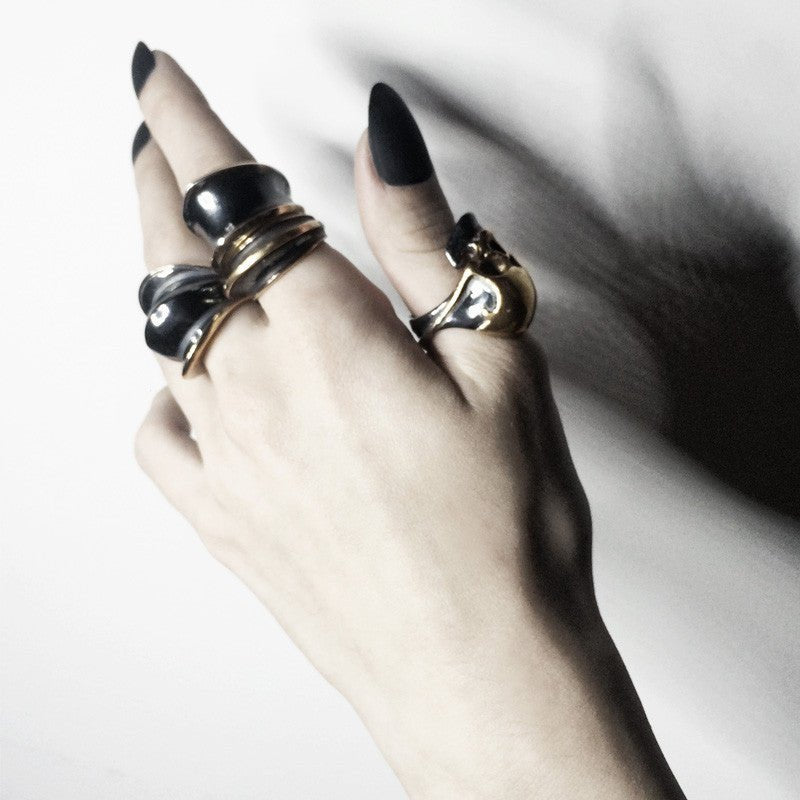
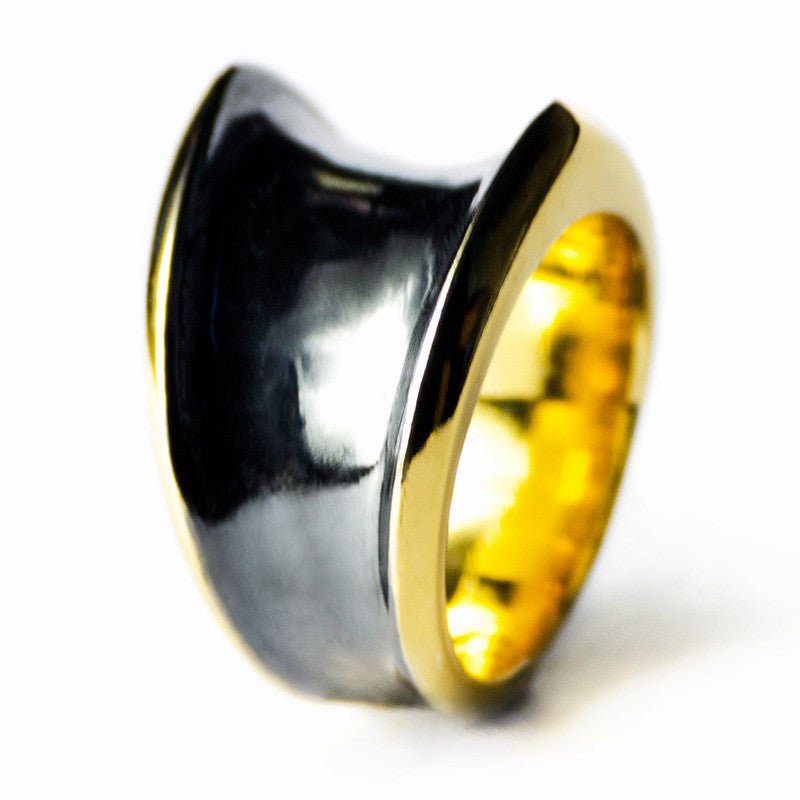
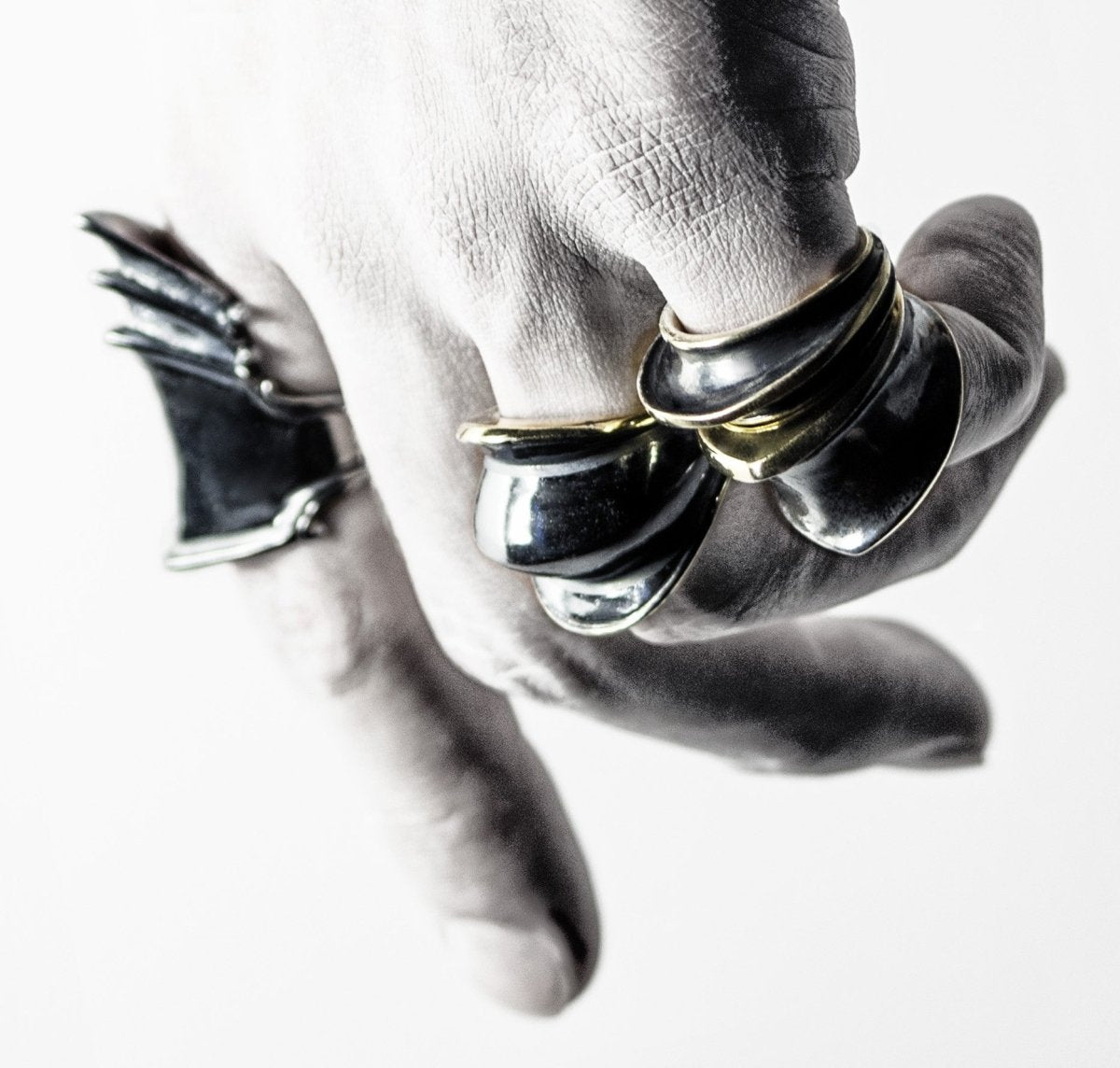
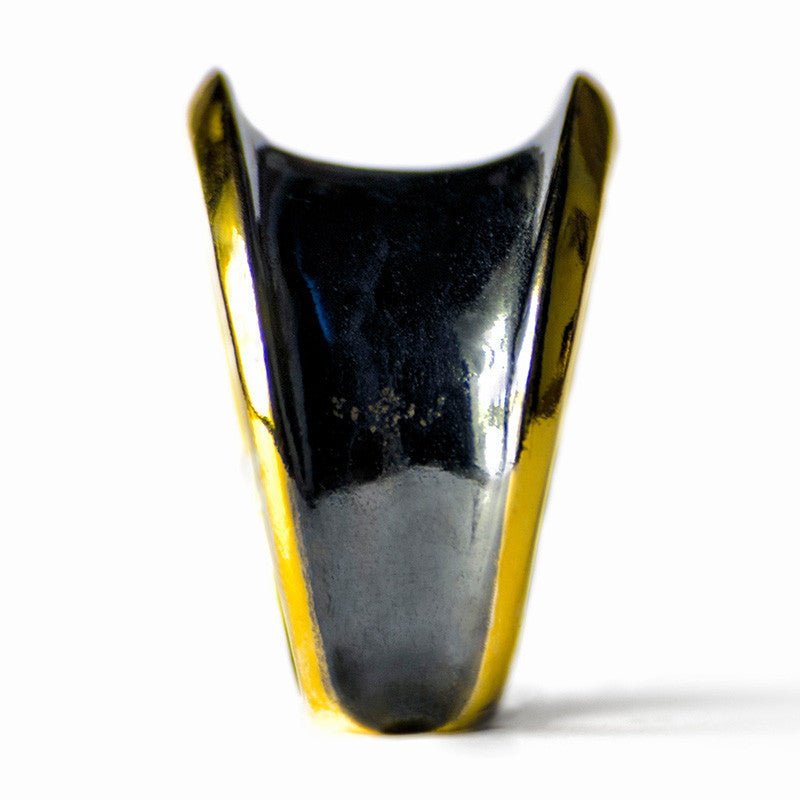
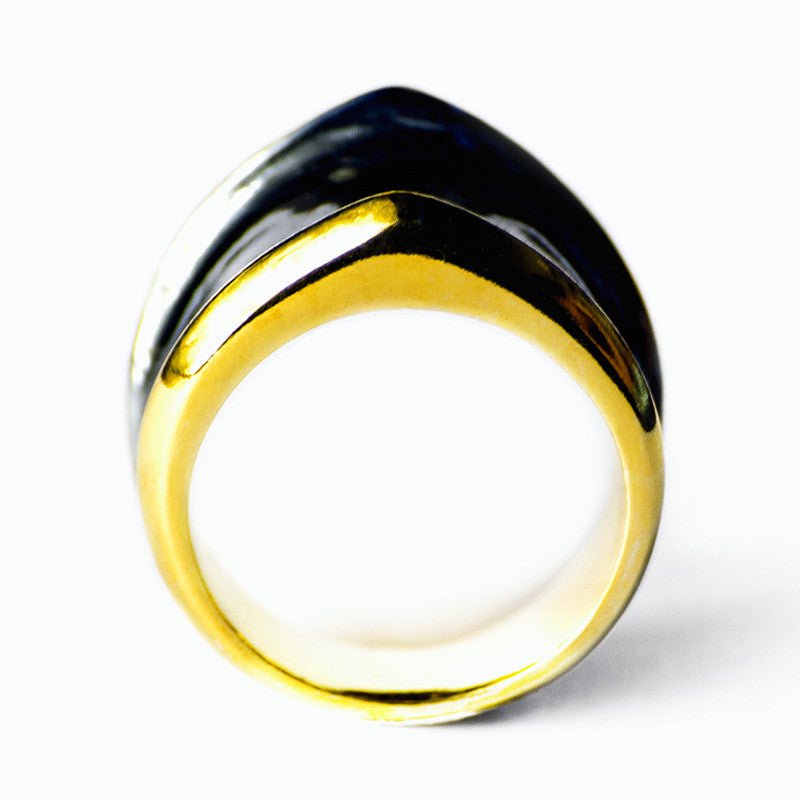
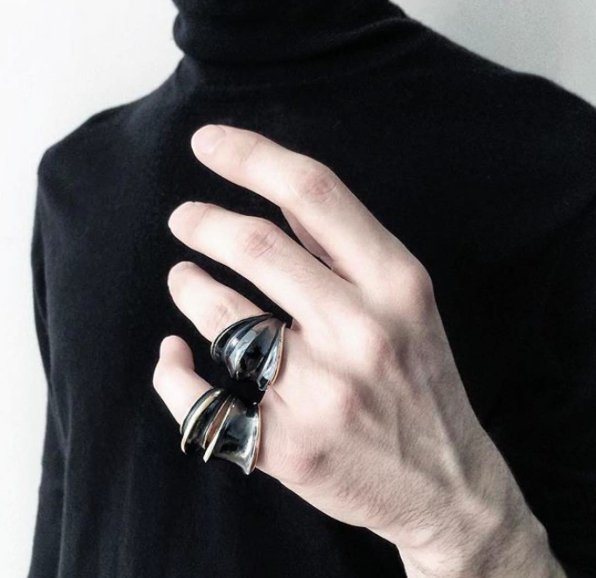
The editorial carries the same name as the collection it showcases. For the jewelry, we combined elements of medieval and Gothic design—miniature architecture, memento mori symbolism, and ecclesiastical ornament—with a modern interpretation of both the character and the medieval era.
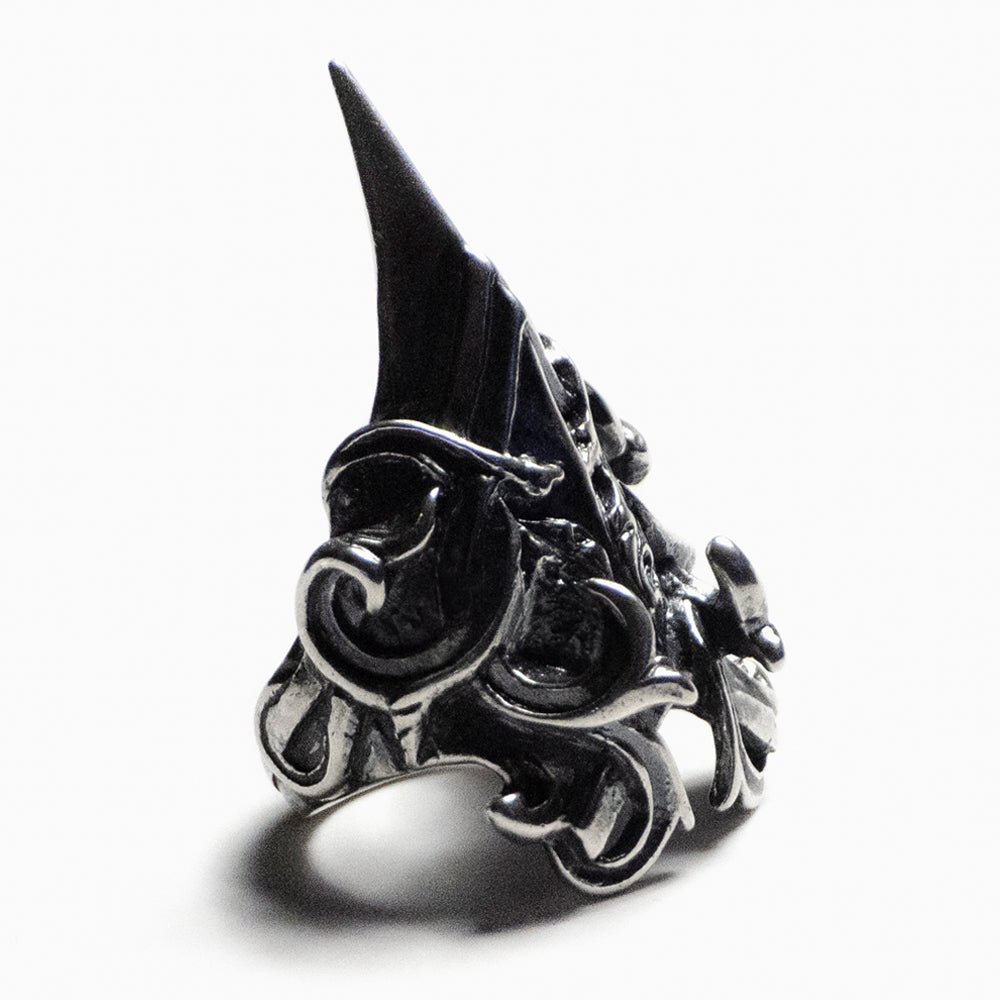
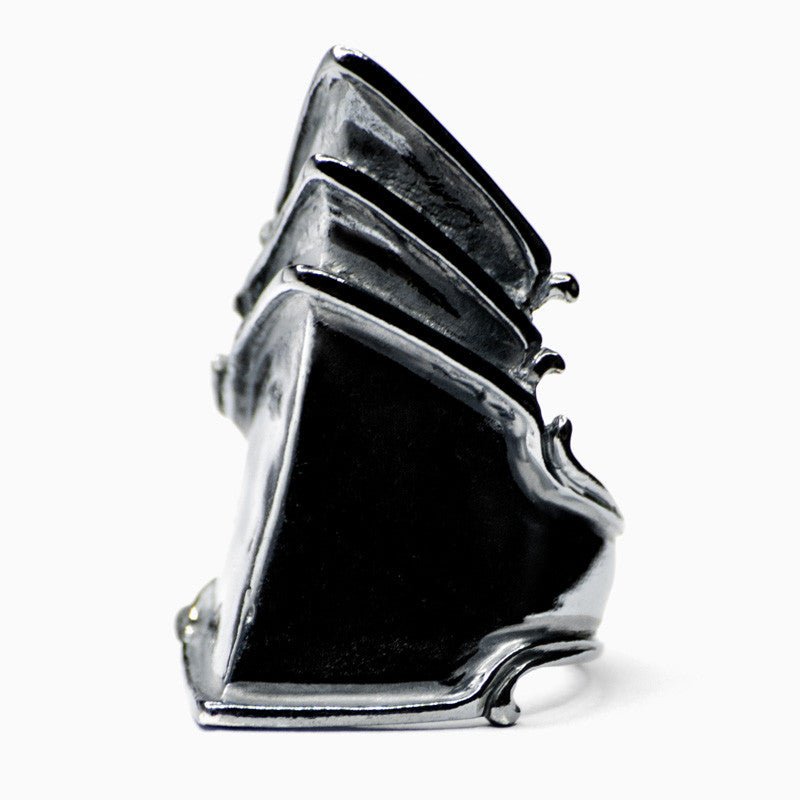
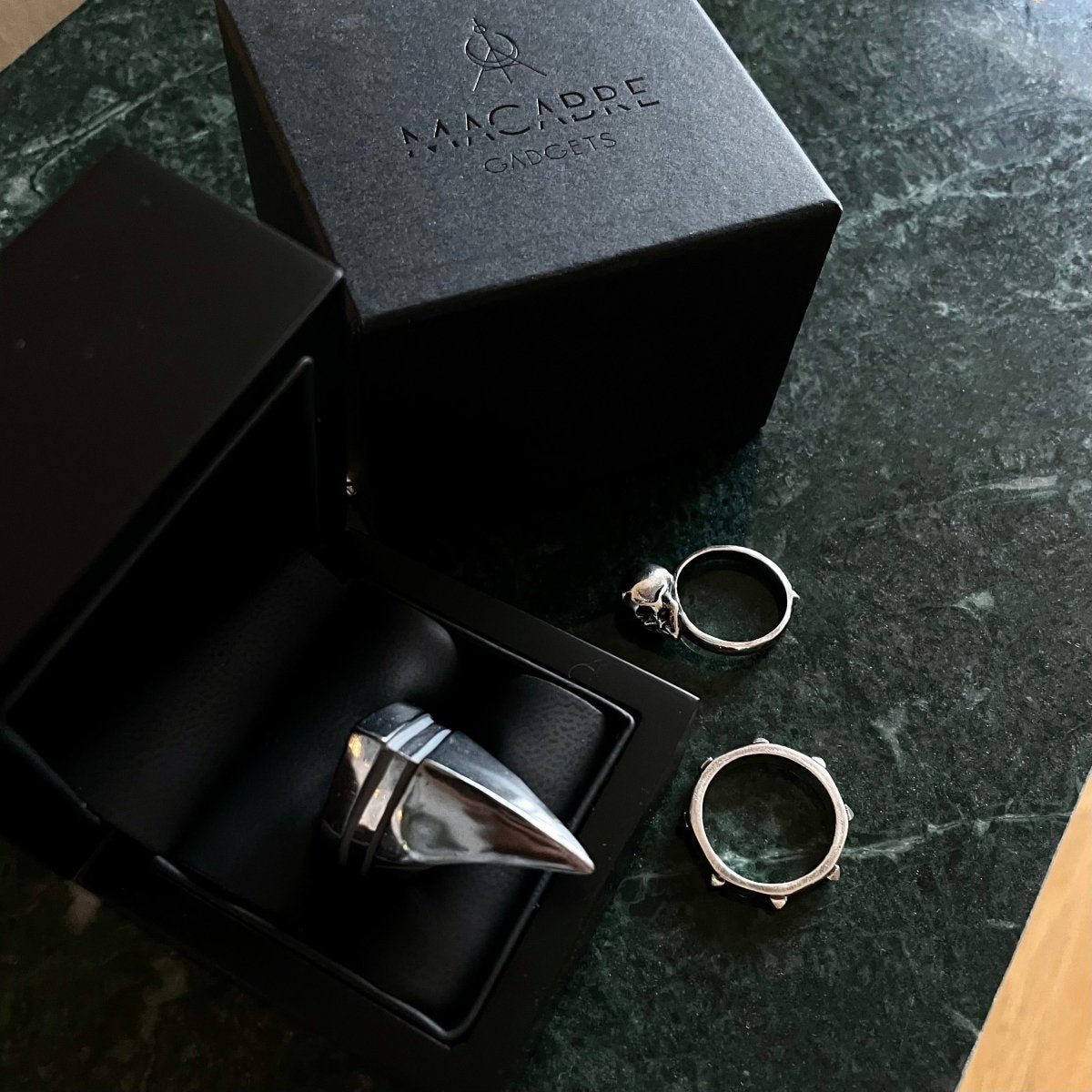
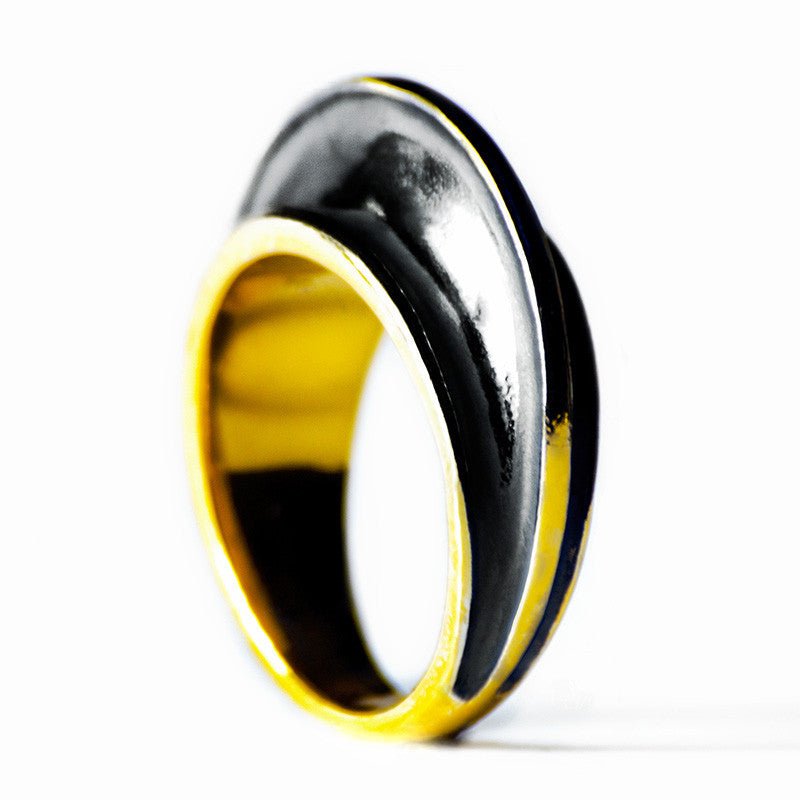
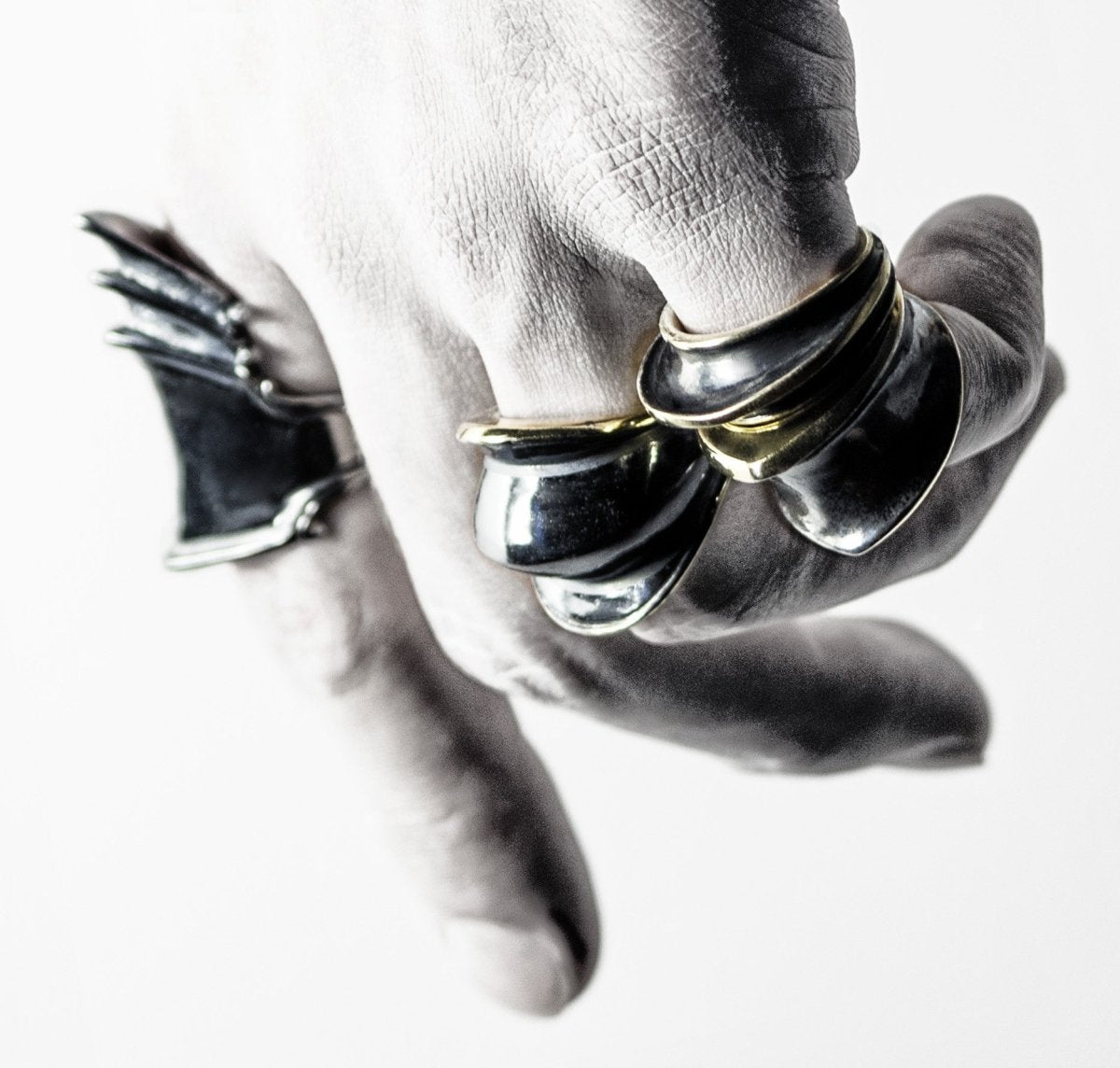
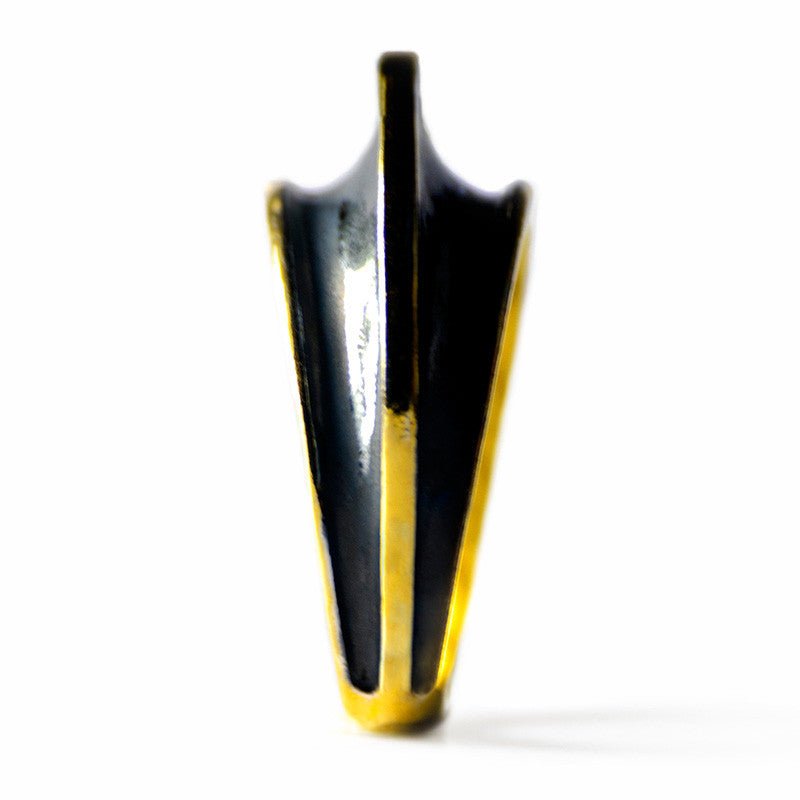
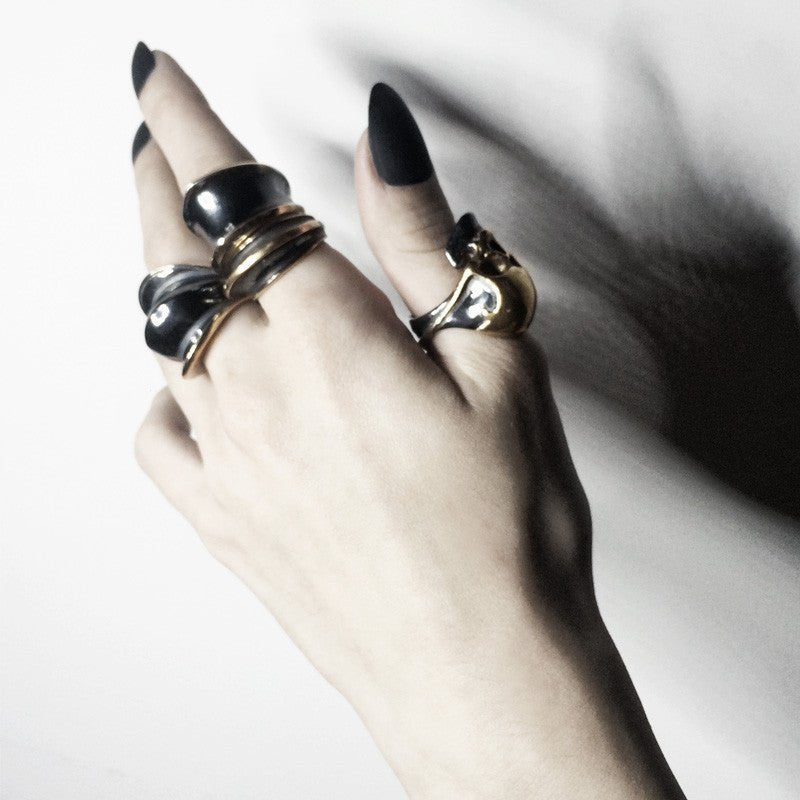
Heavy silver and gilded armour rings, large pearls, red and blue skulls, and precious stones reminiscent of stained-glass windows all come together to create a collection that feels both ancient and strangely contemporary. Discover Gothic Jewelry →