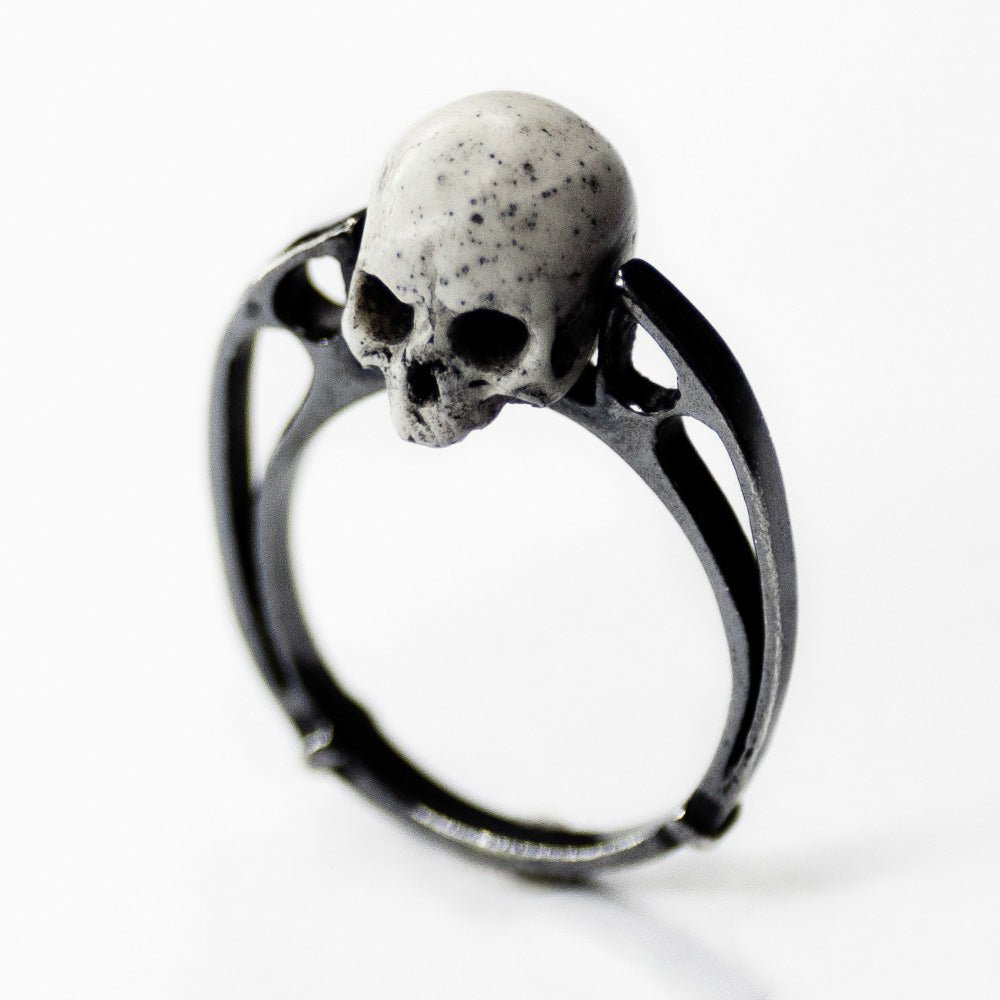
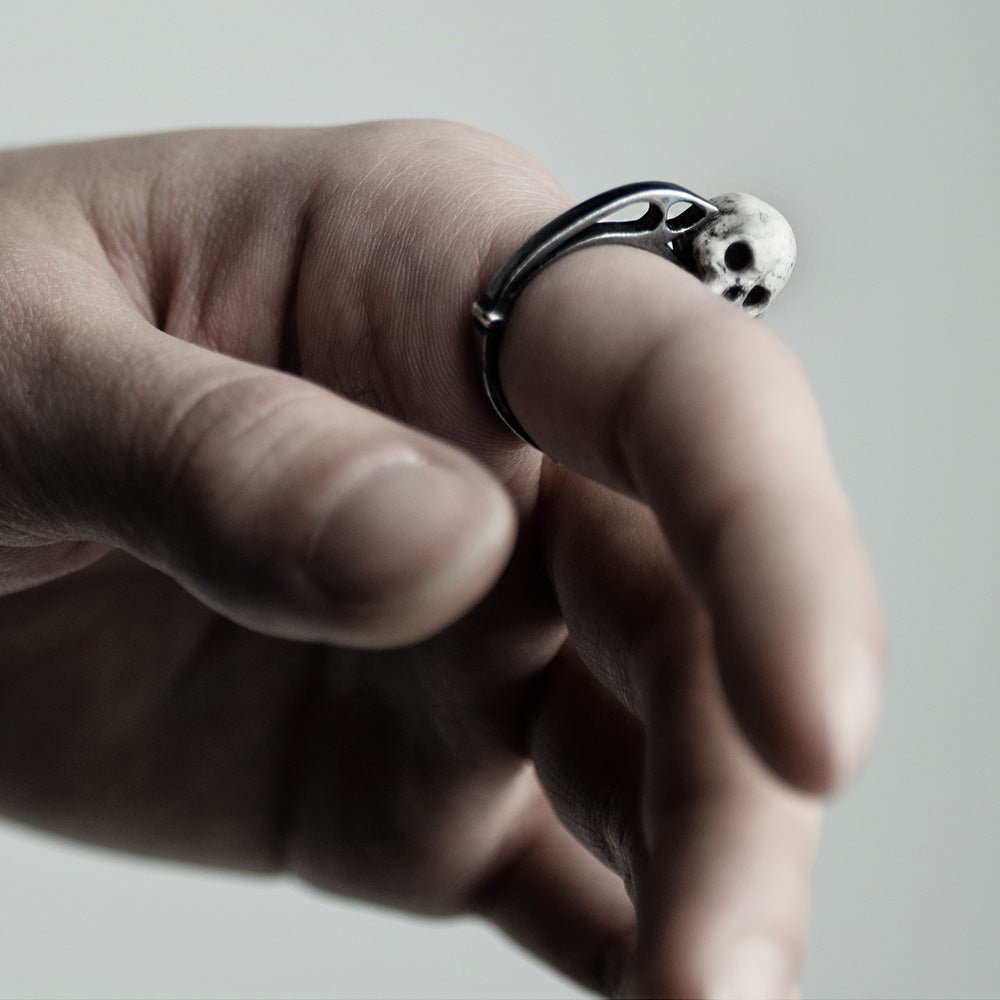
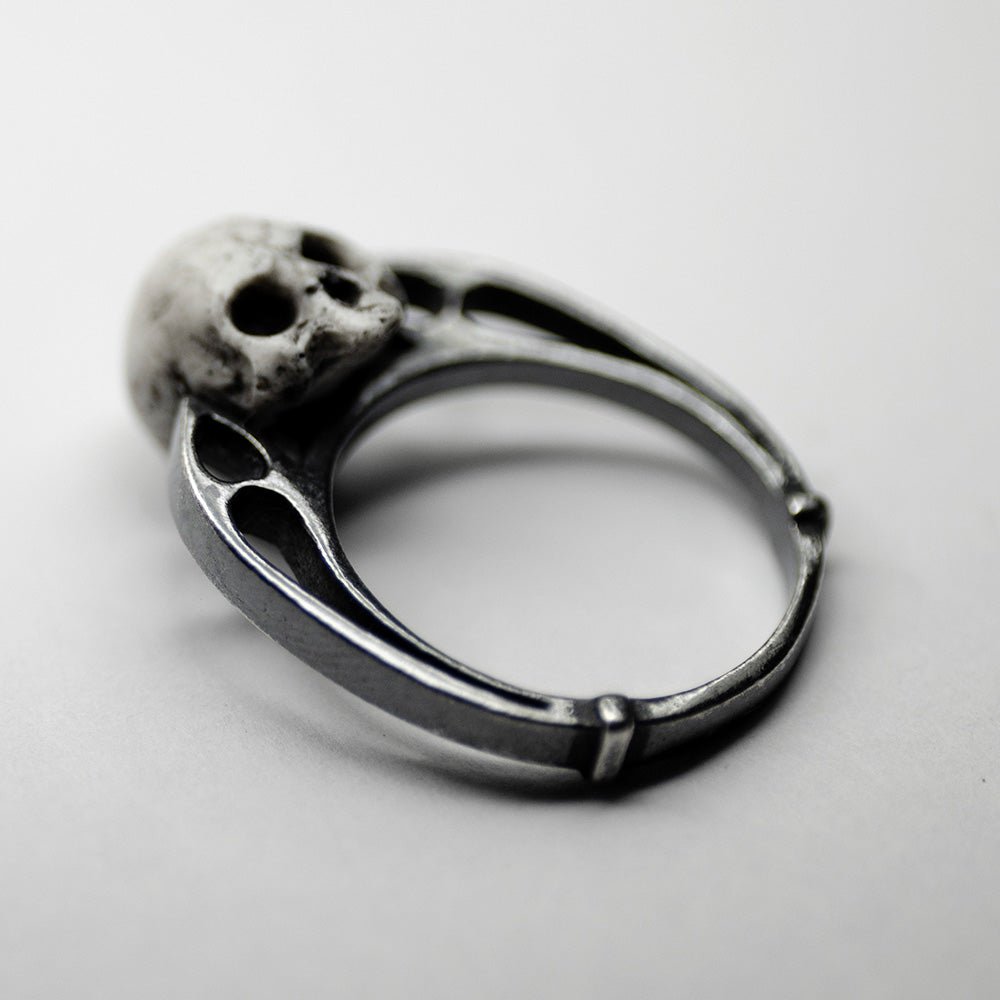
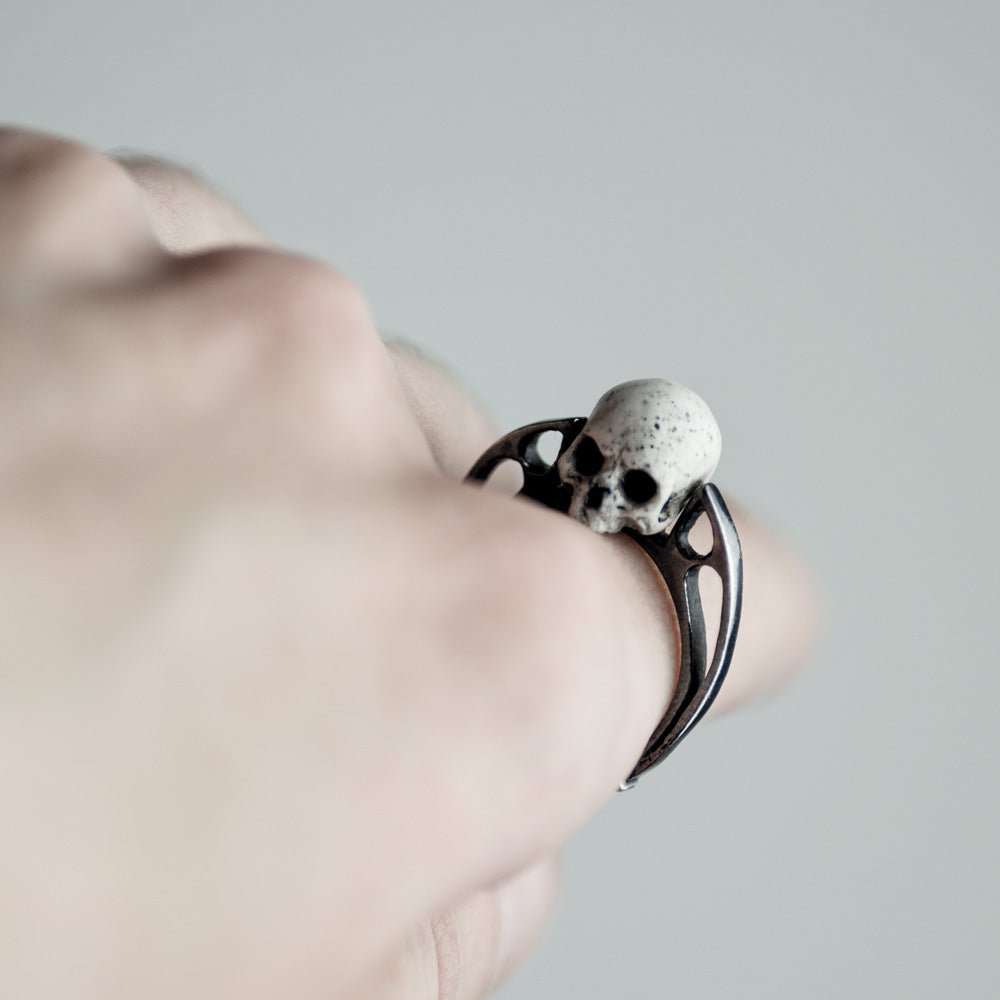
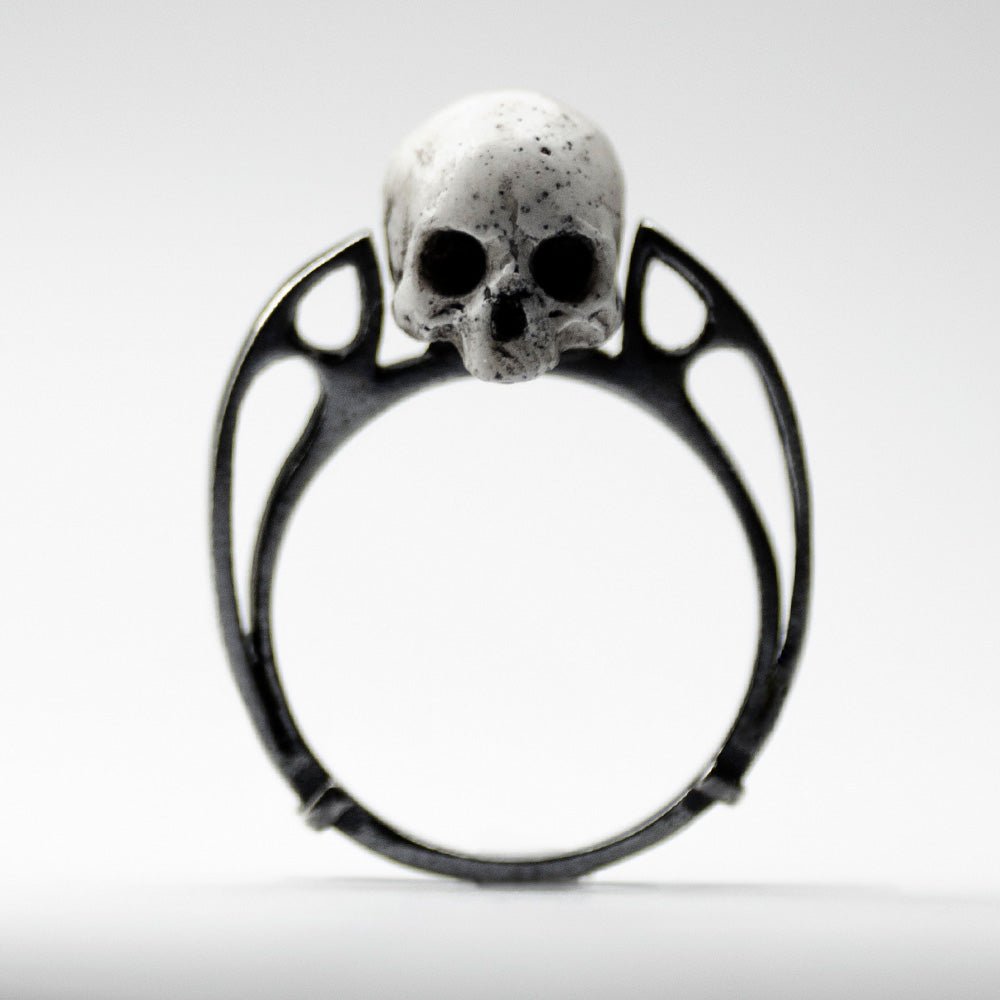
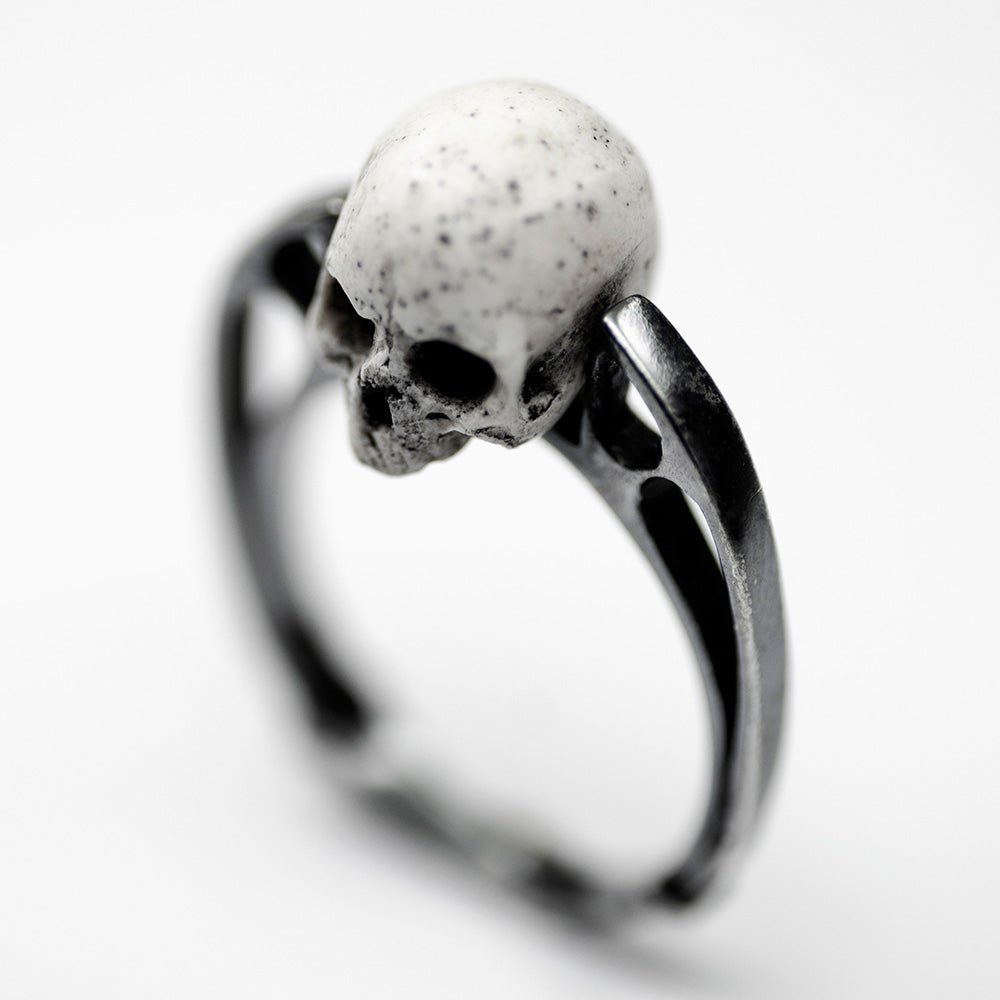
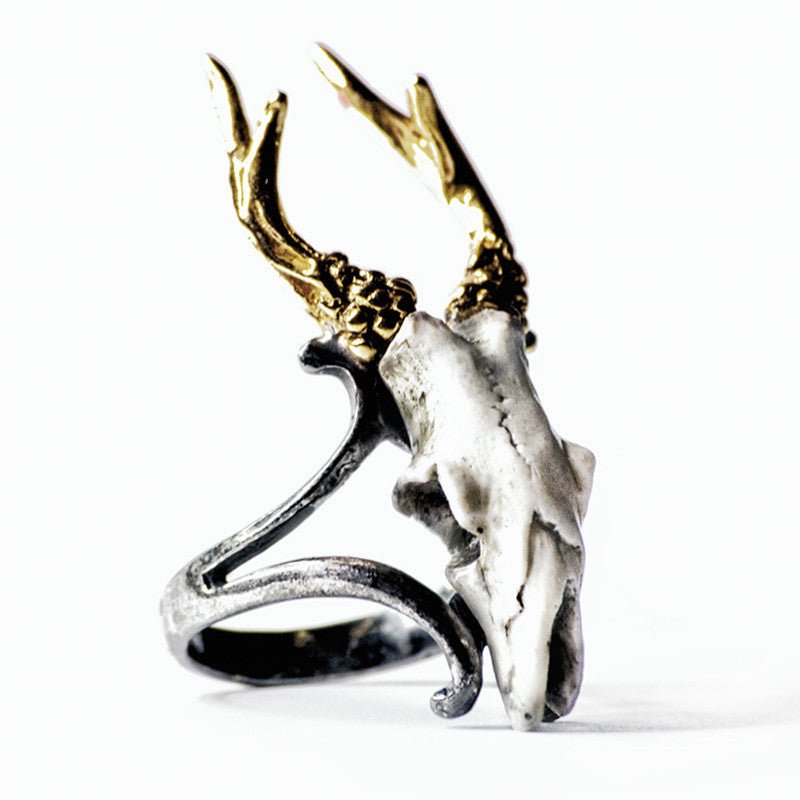
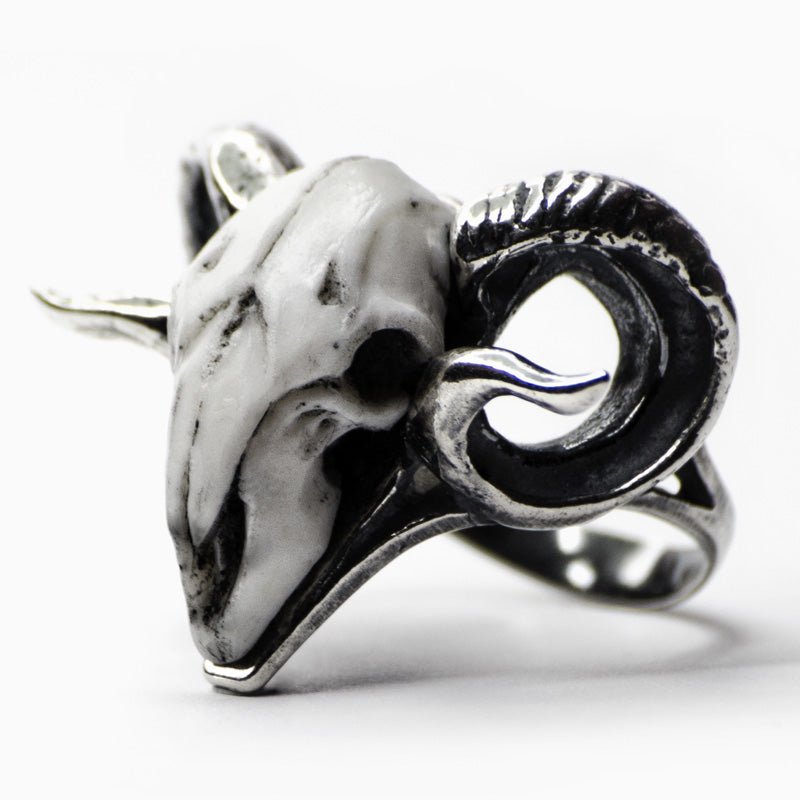
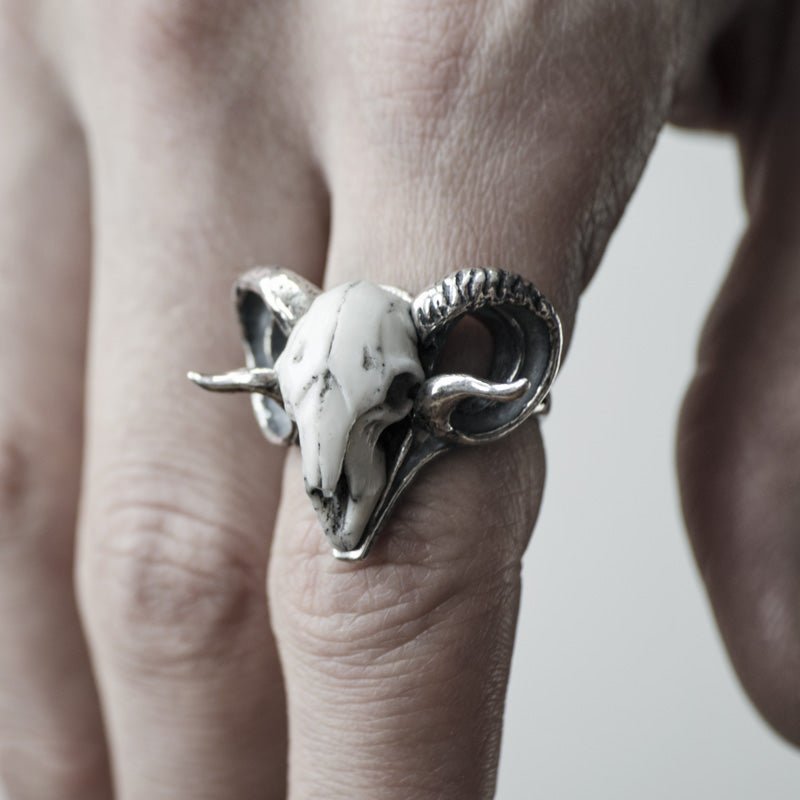
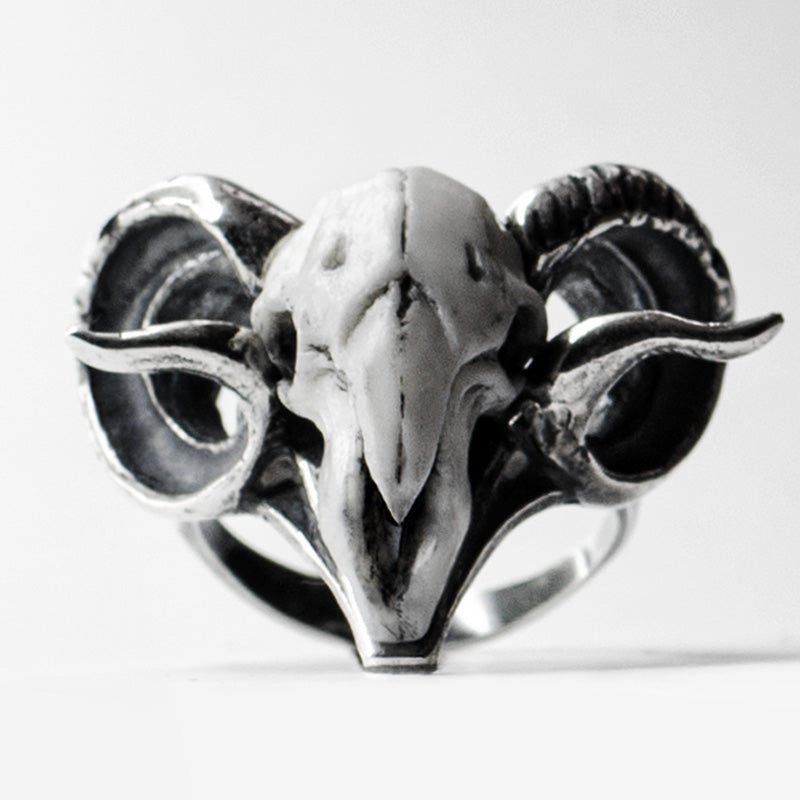
Vampire, Macabre Gadgets editorial.
Here at Macabre Gadgets, we were never afraid to play a little with things that might seem trivial or even corny. The reason is simple: objects and concepts become popular or familiar because we love them and use them all the time. That seems like a good place to start. And also, it is a very good challenge to explore something familiar from unfamiliar angles.
Medieval and Gothic jewelry naturally felt like something Macabre Gadgets was meant to explore. Out-of-this-world fashion, complex heavily decorated architecture, dark and gloomy artworks – if we add all the modern interpretations, this subject might seem completely explored before we even begin. But is that really all there is to it?
Dark Ages, Medieval or Gothic
While modern scholars mostly avoid using the term "Dark Ages" because it can be misleading and inaccurate, all of these terms represent interconnected eras in European history and art spanning roughly from the 5th century to the 16th century CE. Although they are often grouped together, there are significant differences between them.
Over roughly a thousand years, the visual language inherited from Rome transformed into something almost alien. Gothic architecture was perhaps the most unexpected result of that process.
Gothic architecture holds a special place in our minds for many reasons, not least because it was so unexpected. The evolution of arches and vaults from the relatively simple Romanesque church to the elaborate Gothic cathedral is as predictable as it is surprising. What makes it even more remarkable is that it vanished almost as quickly as it appeared, at its very peak, giving way to the next interpretation of Classical Roman ideals – the Renaissance.
In our Medieval and Gothic-inspired jewelry, we try to capture those moments of unexpected human creativity and translate them into wearable objects.

A moodboard for the Vampire Collection.
Arches and Vaults
The very structure of Gothic architecture is endlessly fascinating – ribbed vaults, varieties of arches, clustered columns, tall pointed windows. These elements are interesting enough on their own.
Moreover, every decorative art went through a kind of "gothification." Architectural elements escaped the cathedrals and flooded everyday life in the form of jewelry, clothing, silverware, furniture and countless decorative objects. During the Late Gothic period, goldsmiths, silversmiths and furniture makers became obsessed with shrinking cathedral architecture down to a human scale.
Cloister of Barcelona Cathedral, 1448. Vaults of Saint-Eustache, Paris, 16th century. Cathedral Eye Ring → · Gothic Clover Ring → · Nervure I → · Nervure II → — Macabre Gadgets.
Gothic Jewelry by Macabre Gadgets
We also fell under the spell of the Gothic style, with all its mysteries and secrets. But even more than that, we fell in love with its atmosphere – a world still open to wonder and fairy tales.
A world of tall spiky castles, where magical objects and religious artifacts were equally useful. A world where ancient woods were inhabited by dragons and unicorns. A world where people occupied a much smaller place than they do today, but surrounded themselves with far richer decoration.
Gruuthuse Castle gate, unicorn decoration, 15th century, Bruges. Interior of Cologne Cathedral. Vampire, Macabre Gadgets editorial. Pinnacle Necklace by Macabre Gadgets.
Shapes and Colors
Architectural motifs, almost futuristic shining armour, pointed crowns, large heavy pearls and, of course, skulls – the shapes are so distinctive that it is almost impossible to mistake them.
As for the colours, the medieval world was far brighter and more colourful than one might imagine, especially when it came to fashion.
Black was one of the most difficult colours to dye cloth, so wearing black was a sign of wealth and status. We can forget the muddy, grey medieval image we are used to. Royal reds, sacred blues, brilliant yellows and golds were among the most desirable colours for the wealthy, but even merchants and craftsmen often chose colours that were no less bright, only less expensive.
Our jewelry reflects that as well. Alongside silver and gold, we employ crimson reds, ultramarine blues and ghostly whites.
To our own surprise, we weren’t fascinated exclusively by the darkness of the Dark Ages. We were blown away by the sheer amount of decorative art that flooded everyday life, and by how the same motifs travelled effortlessly from cathedrals to jewelry, from architecture to clothing, from monumental to miniature. How the same designs pierced through so many different aspects of human existence, and how little has changed in what we find beautiful, strange, and worth wearing.
Discover More
Shop all Gothic jewelry →
Shop the Vampire collection →
Shop all jewelry →
Read The Cathedral on Your Finger →
Explore the Vampire editorial →
Explore the Dark Rococo world →
Frequently Asked Questions
What inspires Macabre Gadgets’ Medieval jewelry?
Our Medieval World is inspired by Gothic architecture, decorative arts, medieval fashion, illuminated manuscripts, heraldry, folklore, and mythology. We are particularly fascinated by how architectural forms migrated from cathedrals into jewelry, clothing, furniture, and everyday objects.
What is the difference between Medieval and Gothic?
“Medieval” refers to a broad period of European history spanning roughly from the 5th to the 16th century. “Gothic” describes a later artistic movement within that period, best known for its pointed arches, ribbed vaults, stained glass, and highly decorative visual language.
Did Gothic architecture really influence jewelry?
Yes. During the Late Gothic period, goldsmiths and silversmiths began incorporating architectural forms — pointed arches, vaults, tracery, pinnacles, and cathedral windows — into rings, pendants, reliquaries, buckles, and ceremonial objects. Historians often refer to this phenomenon as microarchitecture: the practice of translating monumental architecture into miniature objects. It is one of the most fascinating obsessions of the period, and one of the reasons Gothic forms continue to inspire jewelry designers today.
Were the Middle Ages really dark and gloomy?
Not nearly as much as popular culture suggests. While medieval life could certainly be harsh, it was also extraordinarily colourful, decorative, and imaginative. The period produced vibrant fashions, intricate craftsmanship, elaborate architecture, and a rich world of stories, myths, and symbols.
Did medieval people wear colourful clothing?
Absolutely. Bright reds, blues, yellows, greens, and golds were highly desirable. Deep black fabrics were particularly expensive because achieving a rich, lasting black dye was technically difficult, making black a colour associated with wealth and status.
Why are dragons and unicorns associated with medieval art?
Medieval artists lived in a world where mythology, religion, folklore, and natural history often overlapped. Dragons, unicorns, saints, kings, exotic animals, and biblical creatures frequently appeared together in manuscripts, tapestries, carvings, and decorative objects.
What makes Gothic design feel so distinctive?
Gothic design combines dramatic vertical forms, intricate ornamentation, strong symbolism, and extraordinary attention to detail. It is a style that feels simultaneously ancient and surprisingly modern, which is one of the reasons it continues to inspire artists and designers today.
How does Macabre Gadgets interpret medieval aesthetics?
Rather than recreating historical artifacts, we look for ideas hidden within them. We are interested in unexpected creativity, architectural forms, decorative excess, mythology, and the strange ways beauty moves between architecture, art, fashion, and jewelry.
Why do Macabre Gadgets’ Medieval designs feature skulls, crowns, pearls, and architectural motifs?
These motifs reflect different aspects of medieval visual culture. Crowns and architecture speak to power and craftsmanship, pearls were treasured luxury materials, and skulls reflect medieval fascination with mortality, symbolism, and the passage of time.